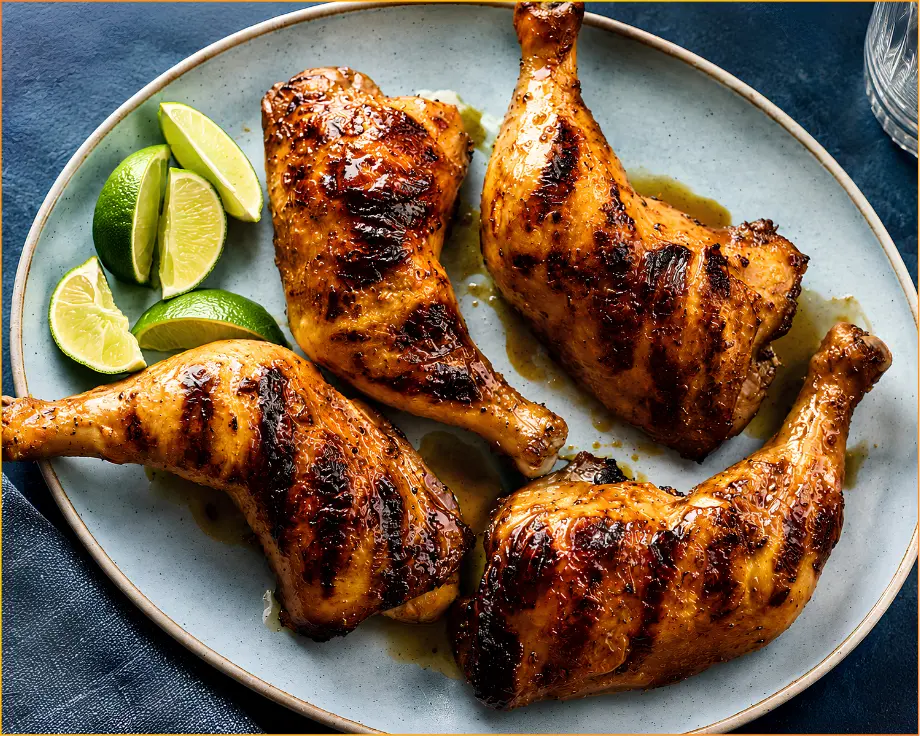
 Chicken
 Inasal
Marinated chicken grilled over open flames, infused with citrus, garlic, and spices for a smoky, juicy, and flavorful Filipino favorite.
Educational Guide
Understanding Halal: A Guide for Everyone
This page explains what Halal means, where it comes from, and why it matters — for Muslims and non-Muslims alike. No prior knowledge of Islam is needed. Every Arabic term is explained in plain English the first time it appears, and every claim is sourced.
Beyond Religion
Halal is often assumed to be a religious label that only concerns Muslims. In practice, it is a comprehensive ethical and quality framework — one that overlaps closely with values many people already care about, regardless of their faith.
Halal rules require lawful, honestly obtained ingredients — no stolen, deceptive, or exploitative sourcing anywhere in the supply chain.
Certification requires documented, traceable ingredients and processes, giving consumers a clear line of sight from farm to shelf.
The Islamic concept of Tayyib (wholesome, clean, good-quality) sits alongside Halal, pushing standards on hygiene and handling.
Islamic slaughter guidelines require humane handling, a swift method, and care to minimize an animal's suffering.
Fraud, exploitative contracts, and interest-based debt traps fall outside Halal — encouraging fairer commercial dealings.
A recognized Halal mark signals that an independent body has verified a product's ingredients and process — useful even to non-Muslim buyers.
Understanding Halal helps schools, workplaces, and businesses serve multicultural communities thoughtfully and inclusively.
With a global Halal economy worth trillions of dollars, understanding Halal is increasingly a practical business skill, not only a religious one.
In short: Halal is not merely a religious label placed on a product. It is a comprehensive ethical framework — rooted in Islamic teachings — that touches sourcing, cleanliness, animal welfare, honesty in trade, and consumer protection all at once.
Home-Grown Halal Heritage
Islam reached the Philippine archipelago in the 14th century, centuries before Spanish colonization — making Filipino Muslim communities among the oldest continuous Islamic populations in Southeast Asia. Their heritage now anchors a growing Halal economy that reaches far beyond the dinner table — spanning food, finance, agriculture, tourism, and trade.
Tap a sector below to explore what Halal looks like in that space across the Philippines.
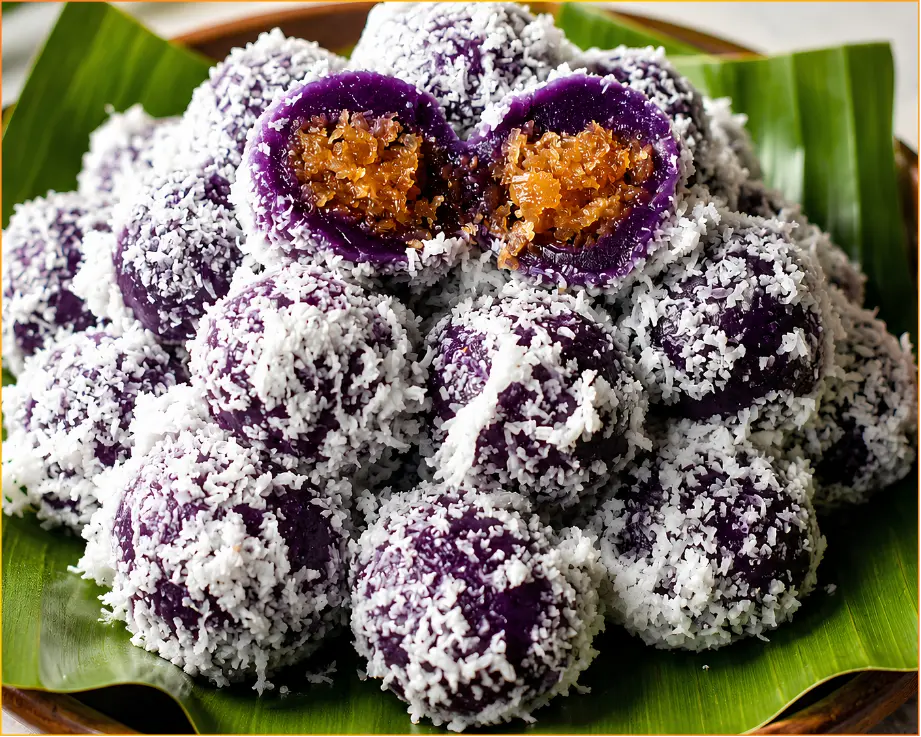
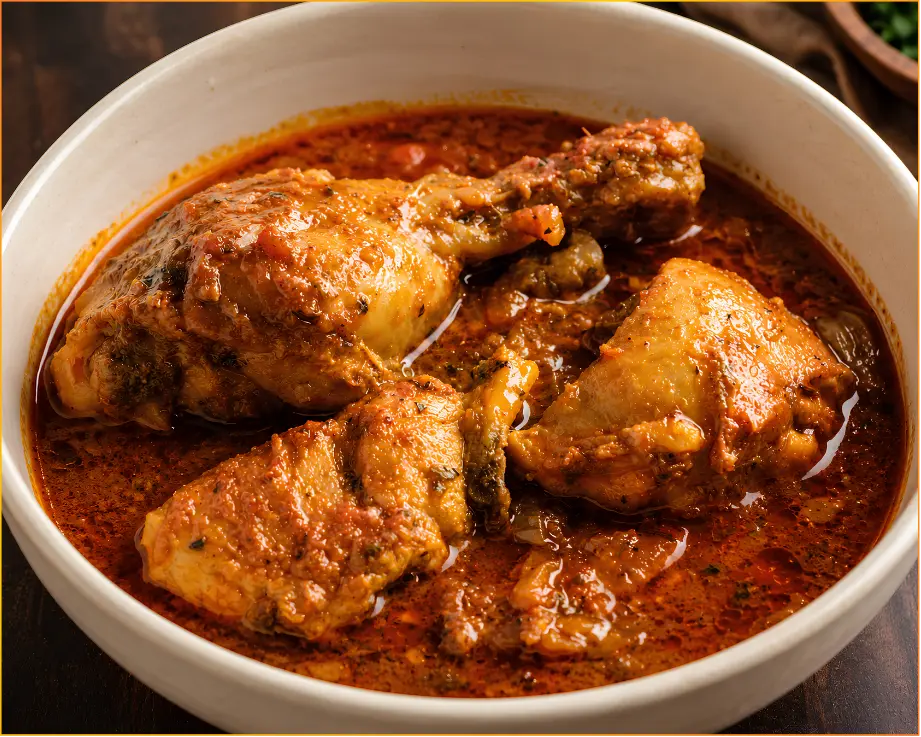
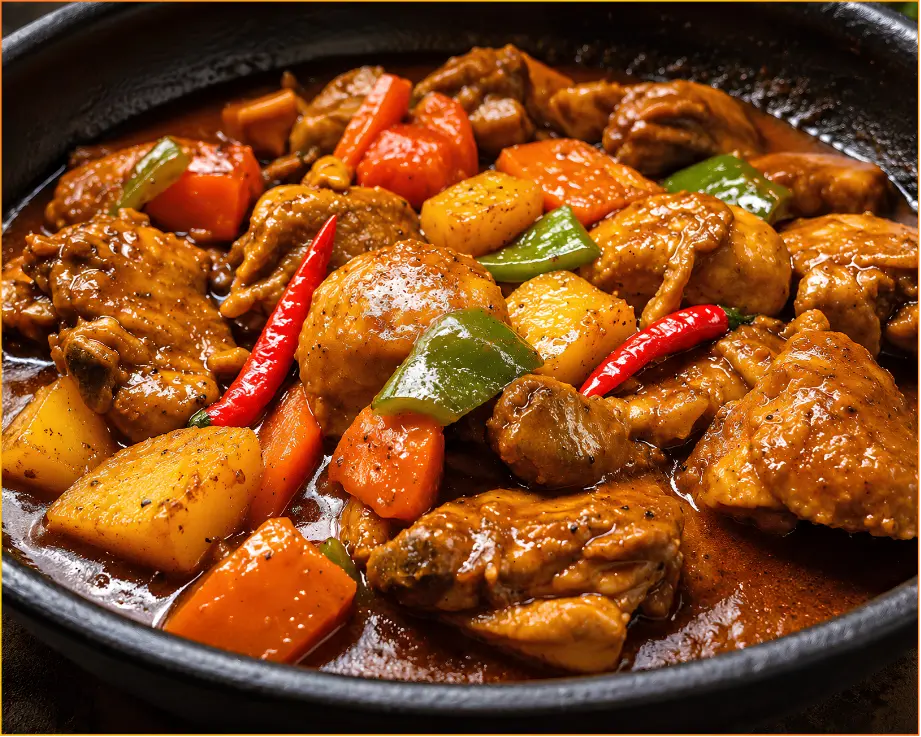
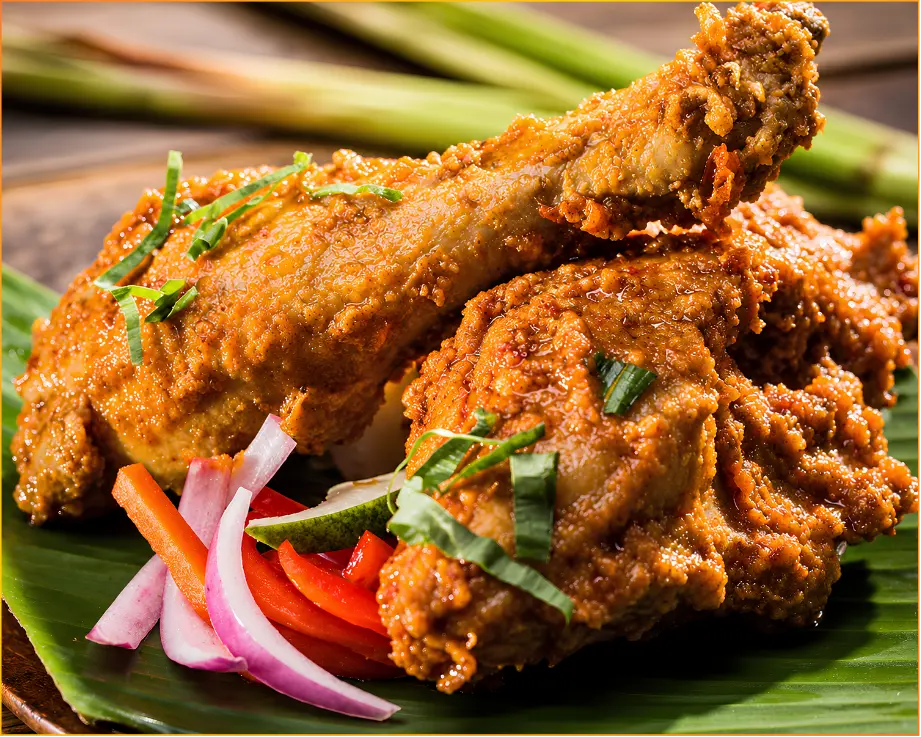
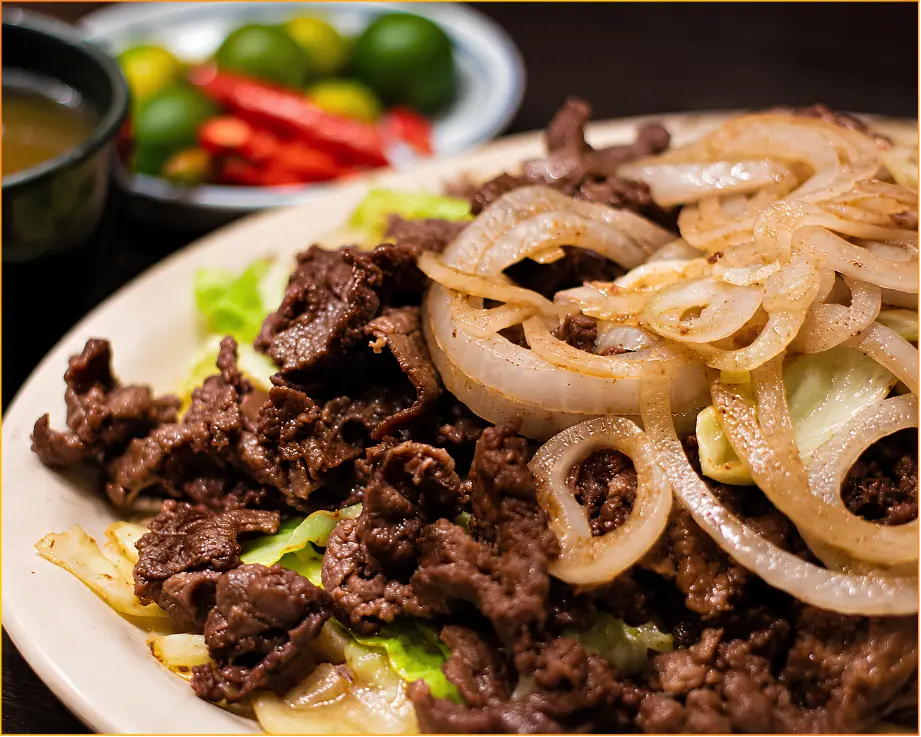
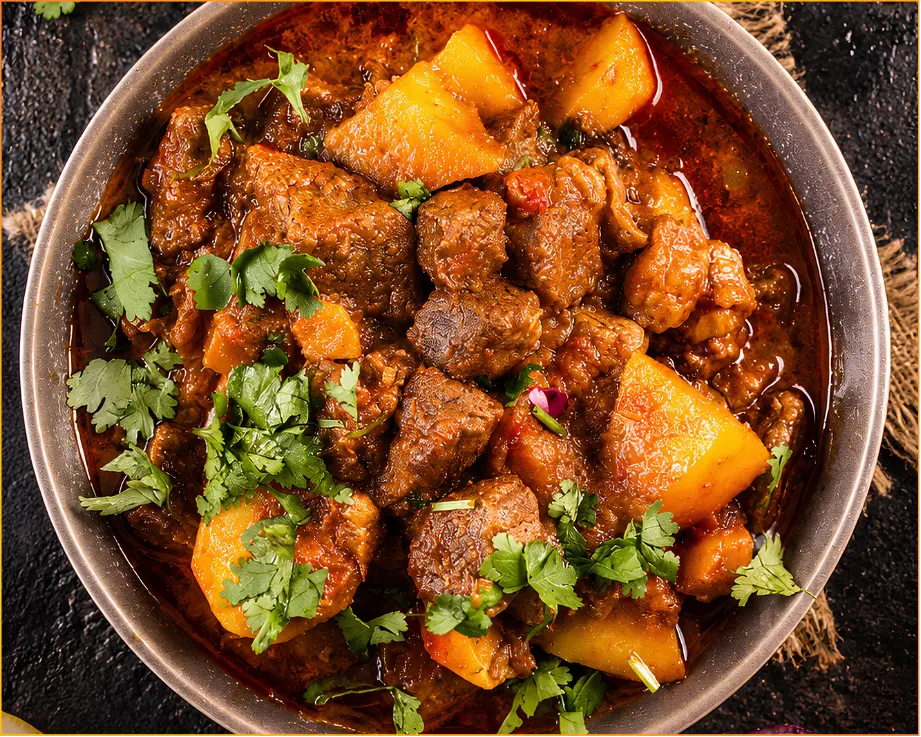
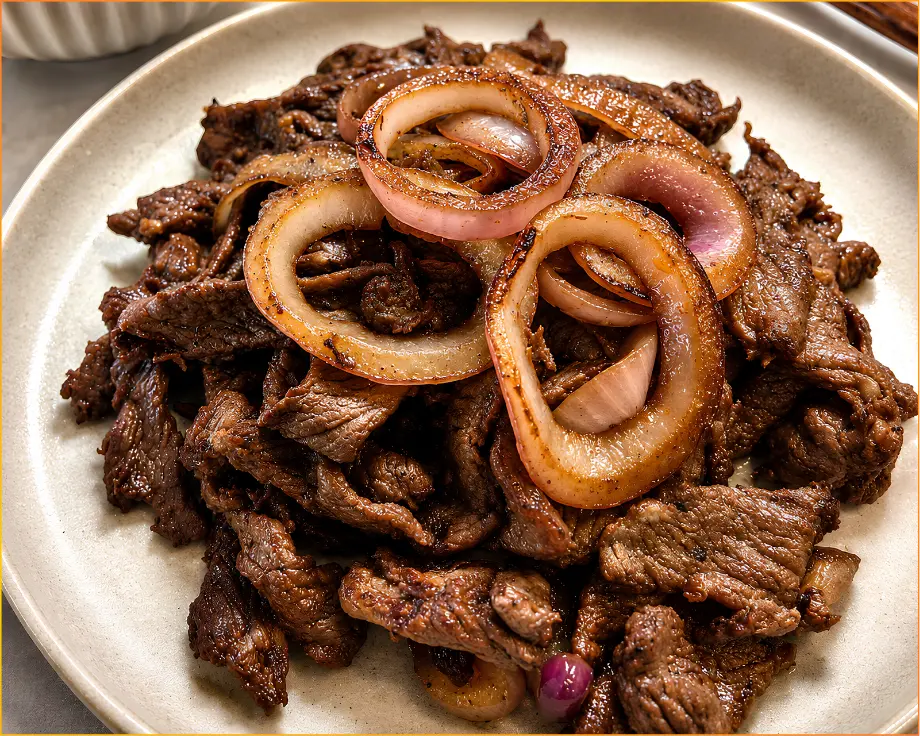
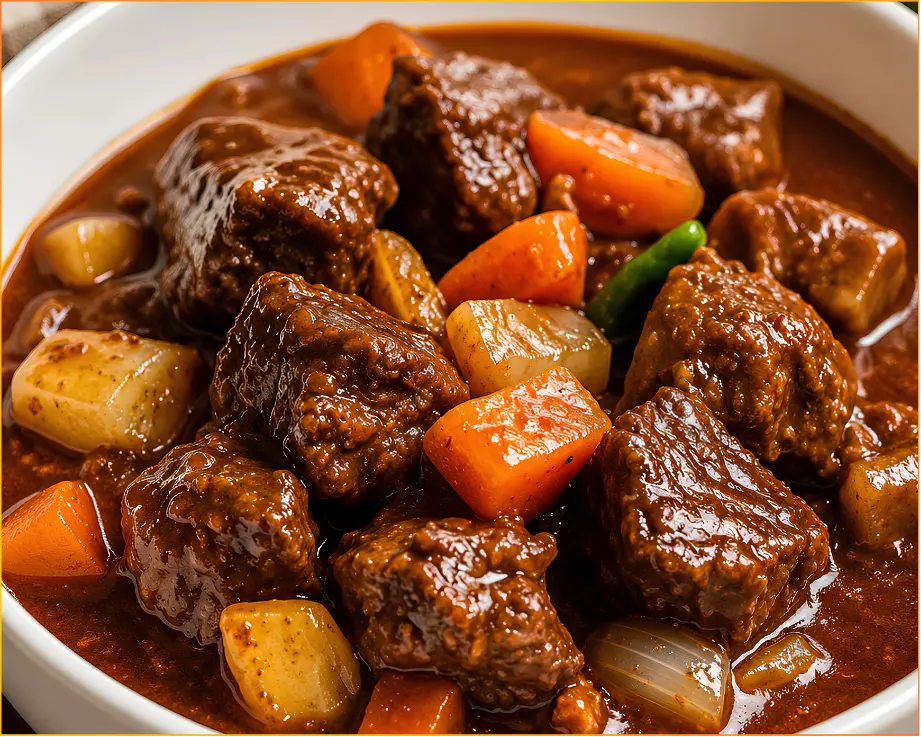
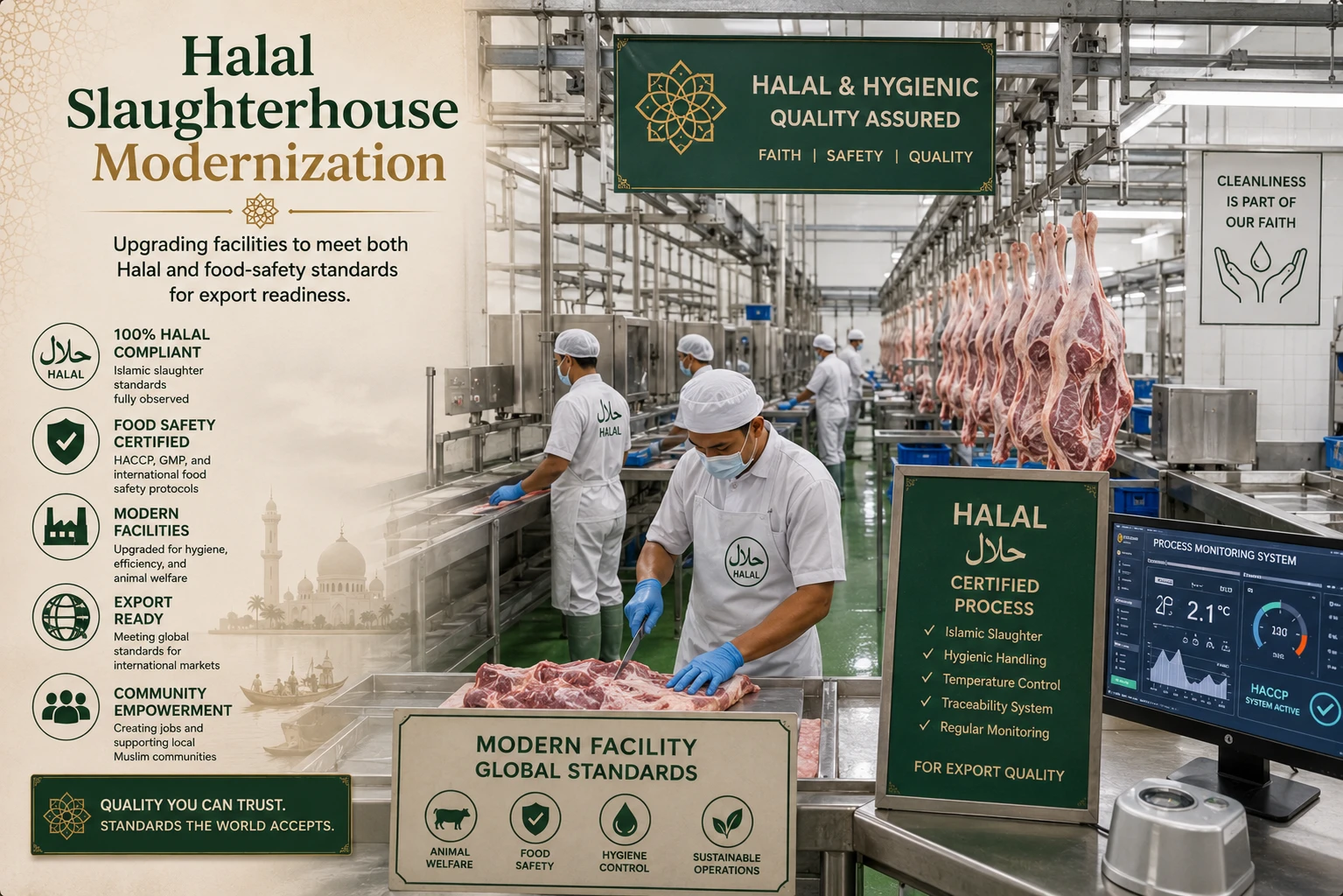
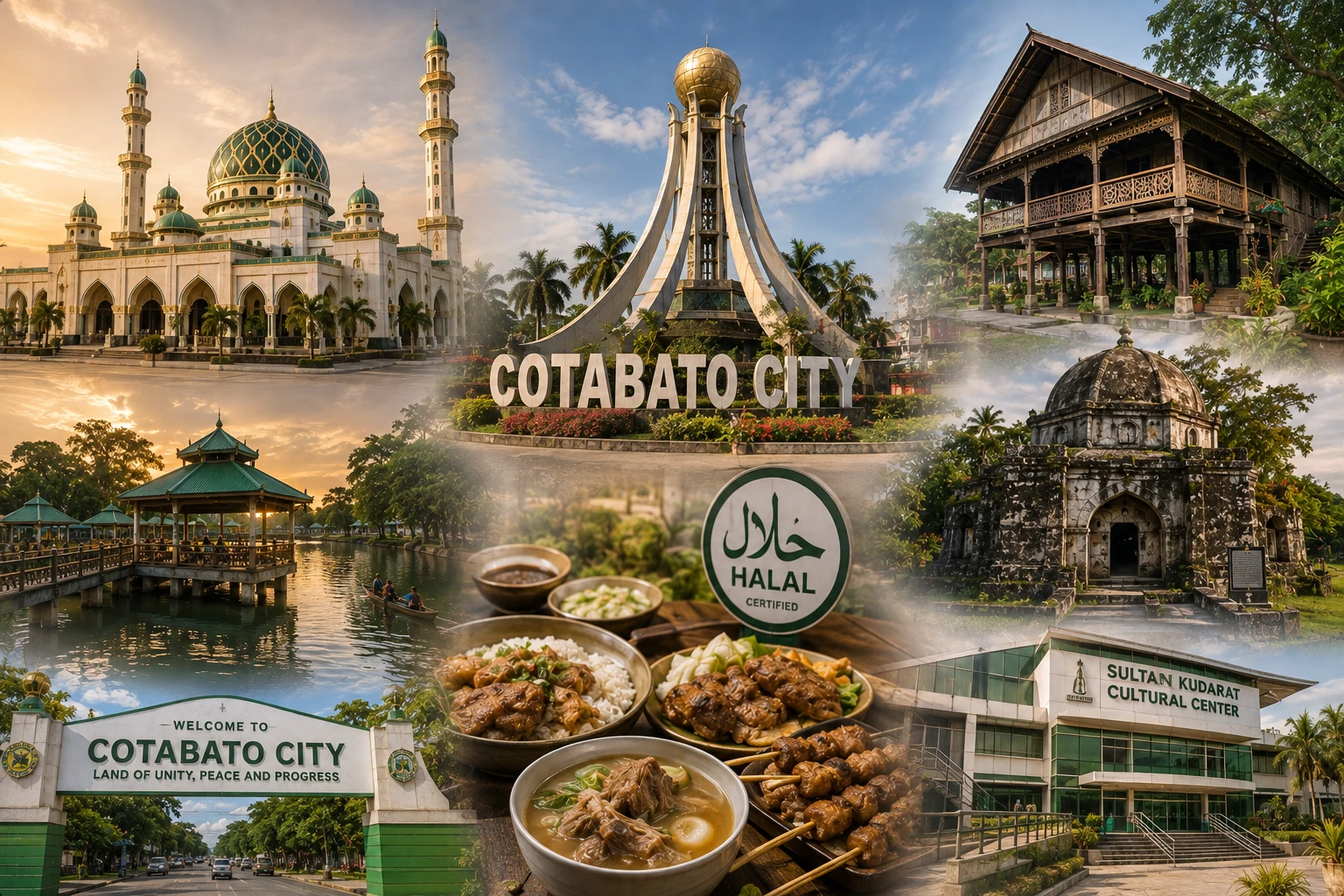
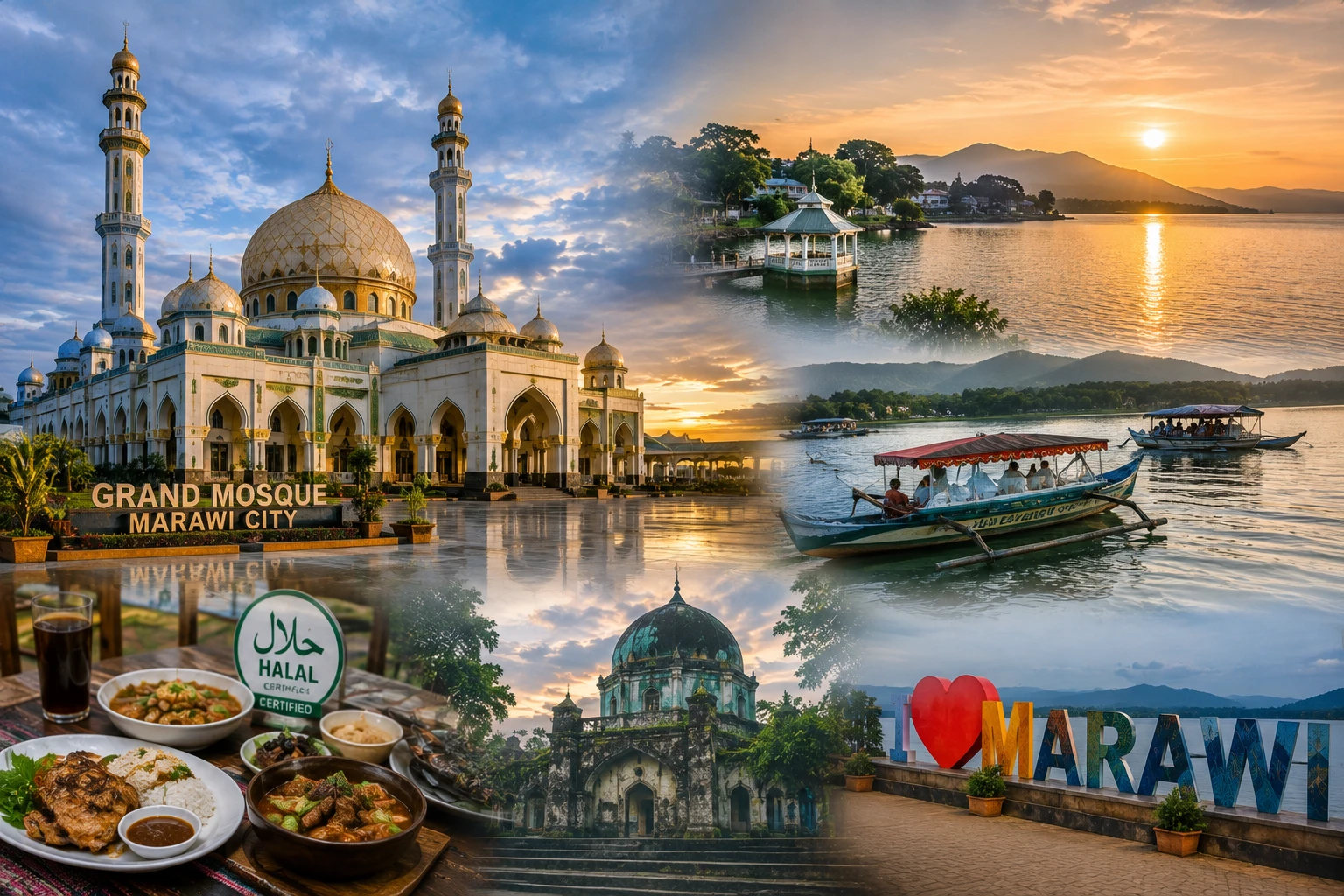
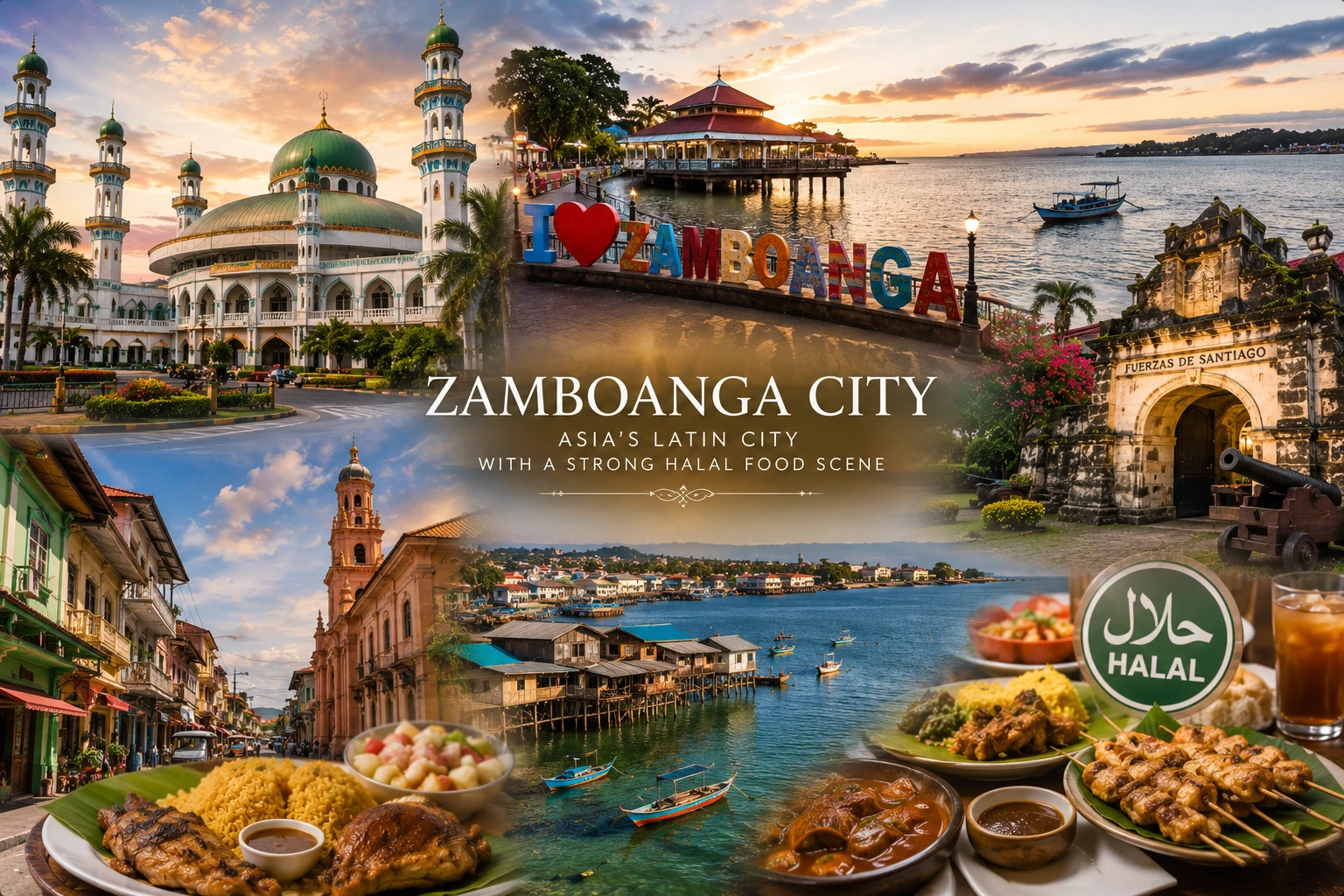
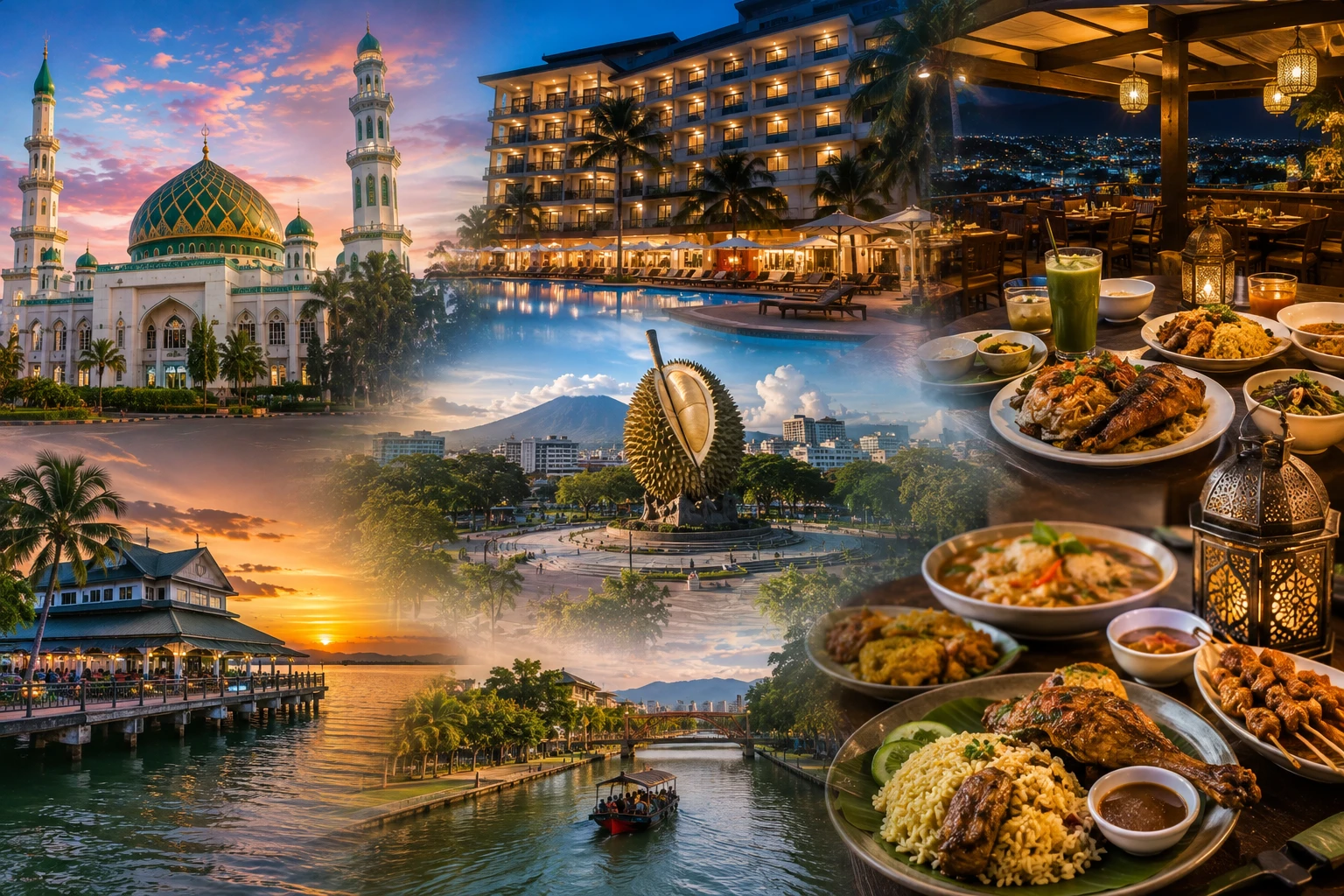
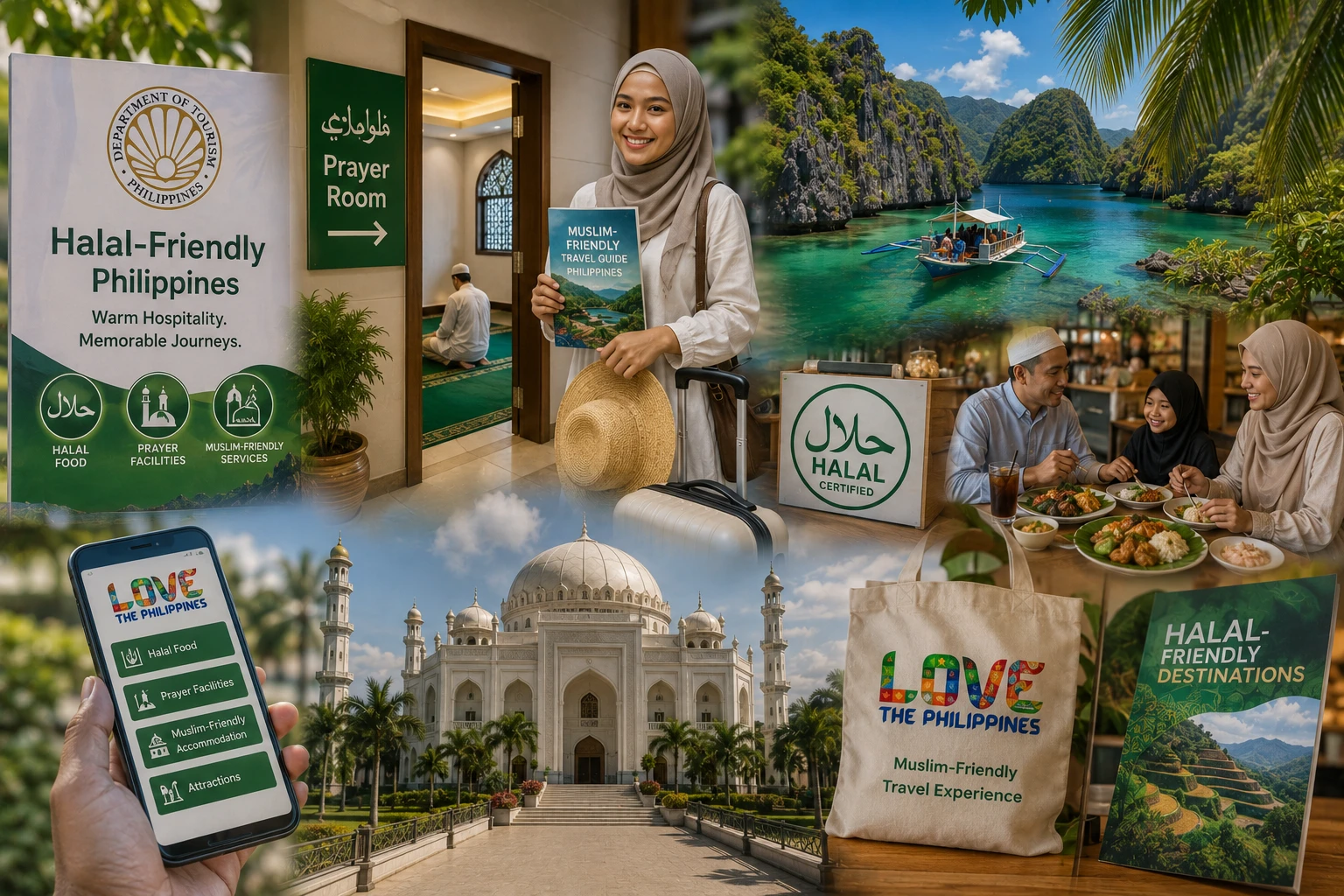
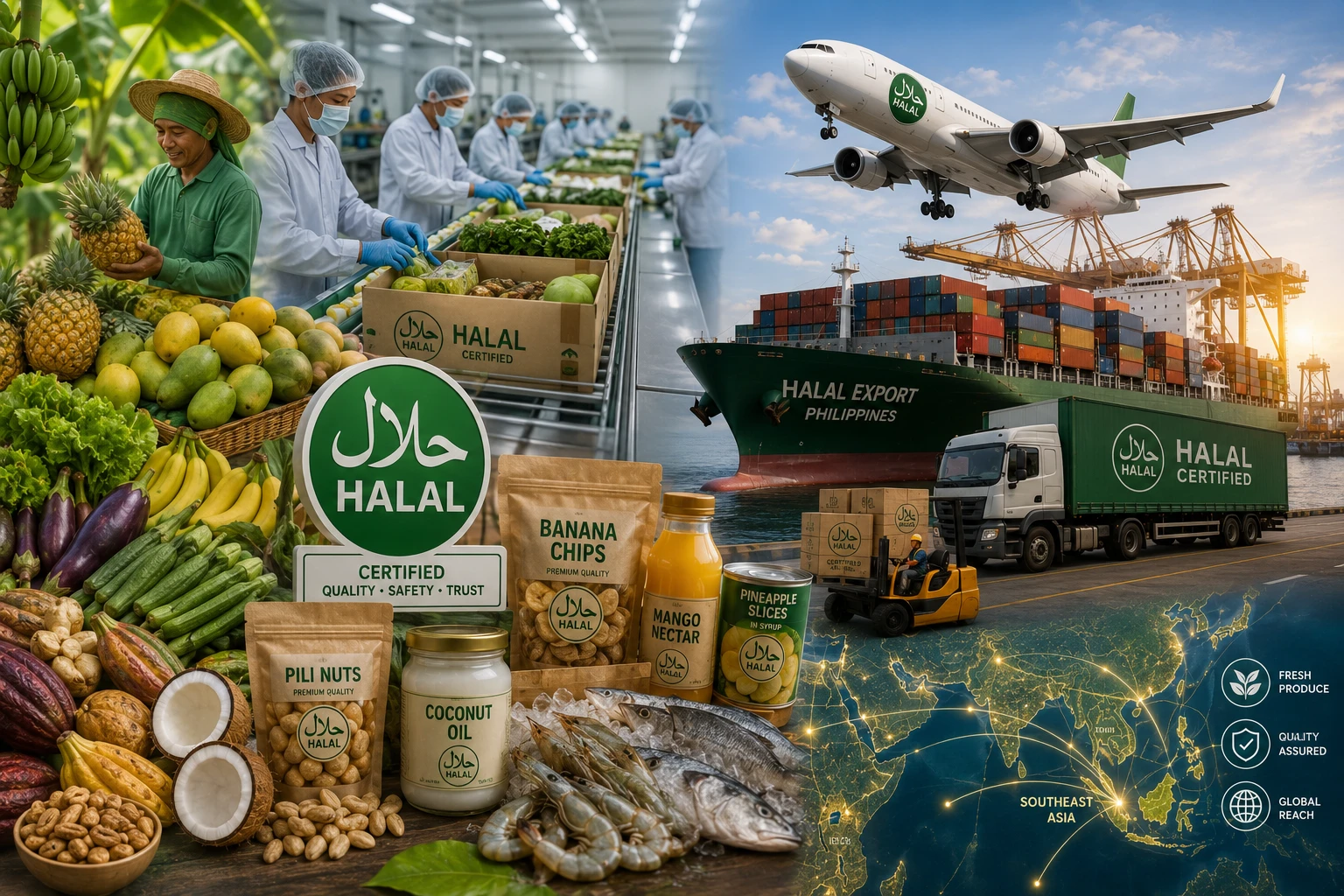
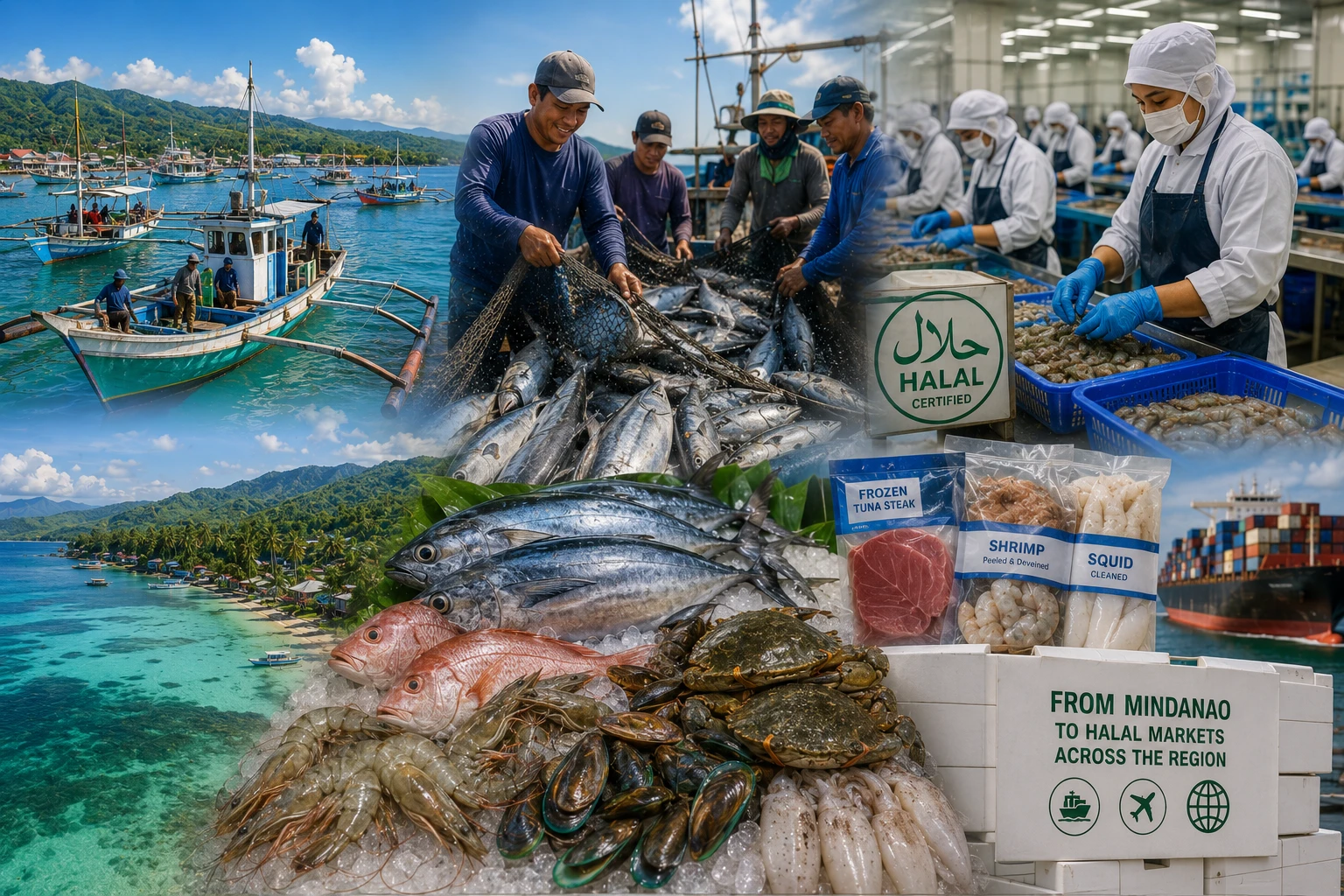
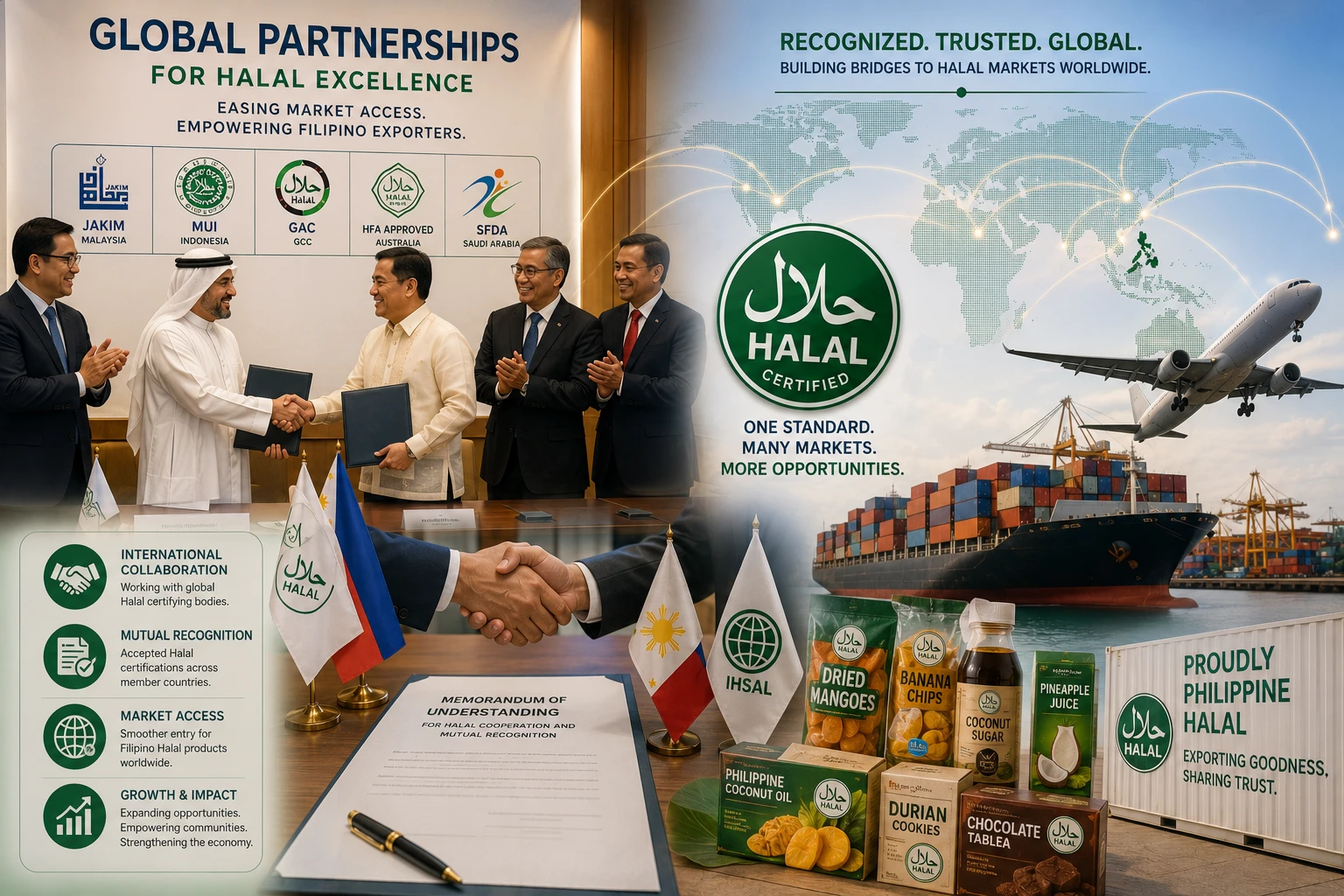
The photos illustrating each topic below are AI-generated images created for this page, not real photographs — used here for visual reference only.
Filipino Muslim culinary traditions remain the most visible and fastest-growing segment of the local Halal market. Here's a taste of the dishes we offer:
Chicken
Marinated chicken grilled over open flames, infused with citrus, garlic, and spices for a smoky, juicy, and flavorful Filipino favorite.
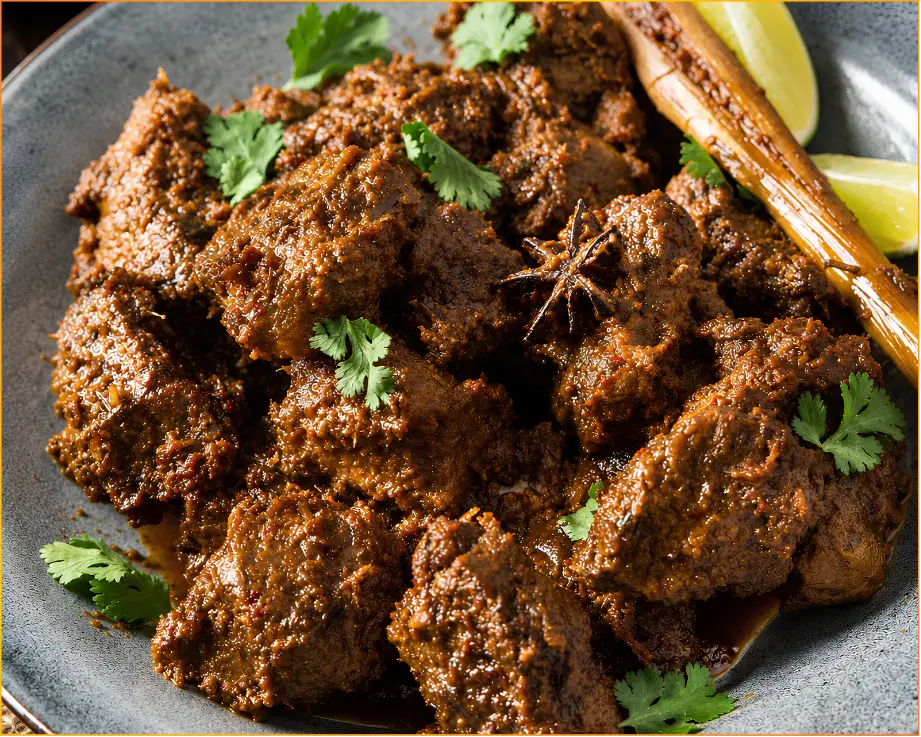 Beef
Tender beef slow-cooked in coconut milk and aromatic spices until richly flavored, creating a savory and deeply satisfying Southeast Asian classic.
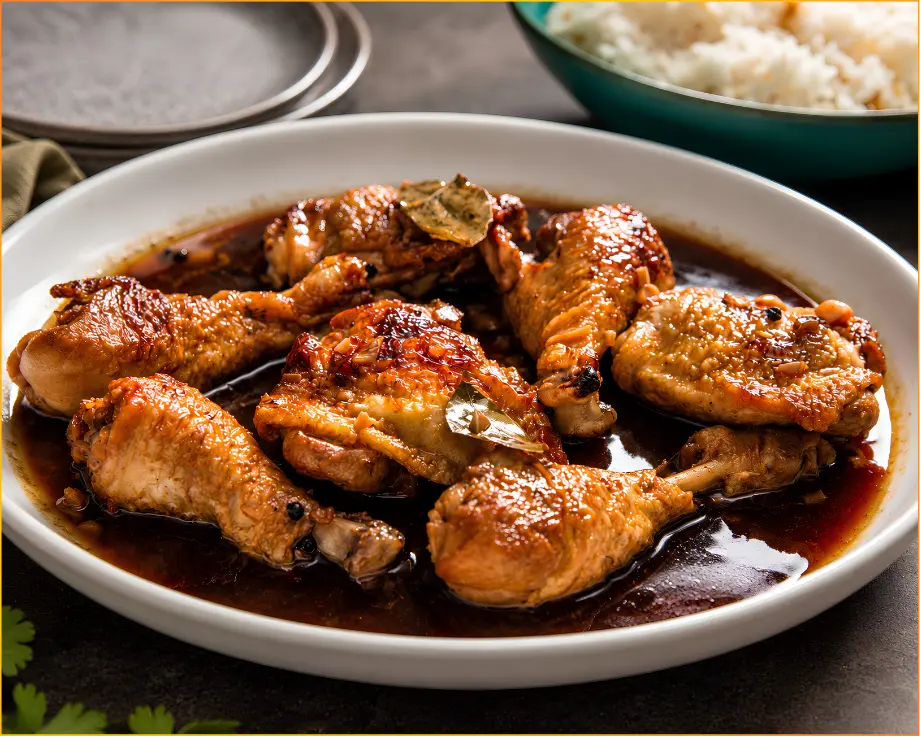 Chicken
Tender chicken braised in soy sauce, vinegar, garlic, and spices, creating a rich, savory, and distinctly Filipino dish.
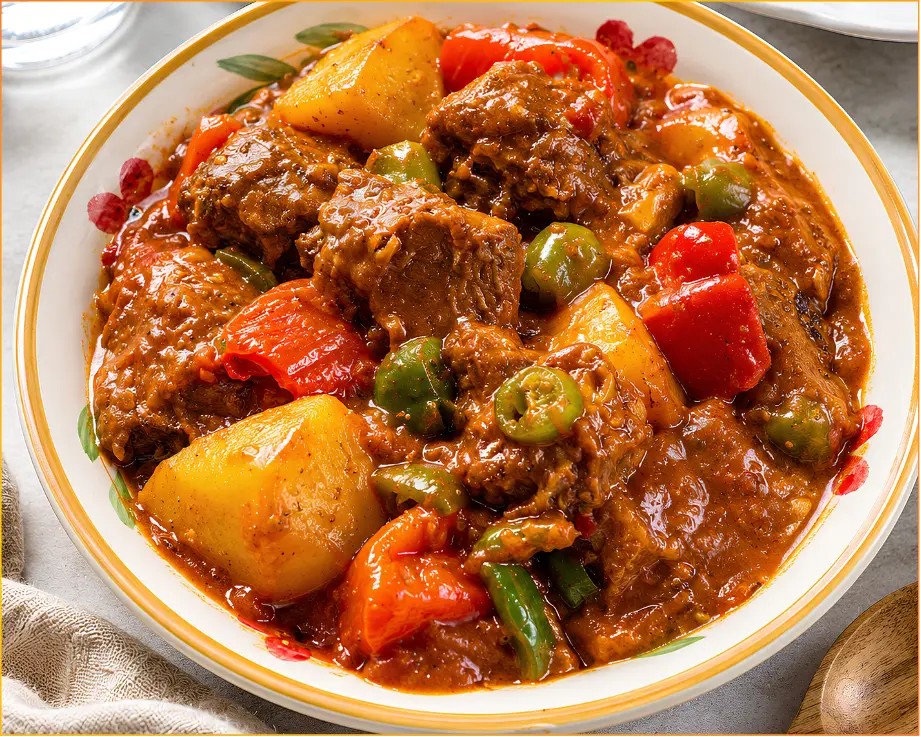 Beef
Tender beef slow-cooked in a rich tomato-based sauce with vegetables and seasonings, delivering a hearty and flavorful Filipino classic.
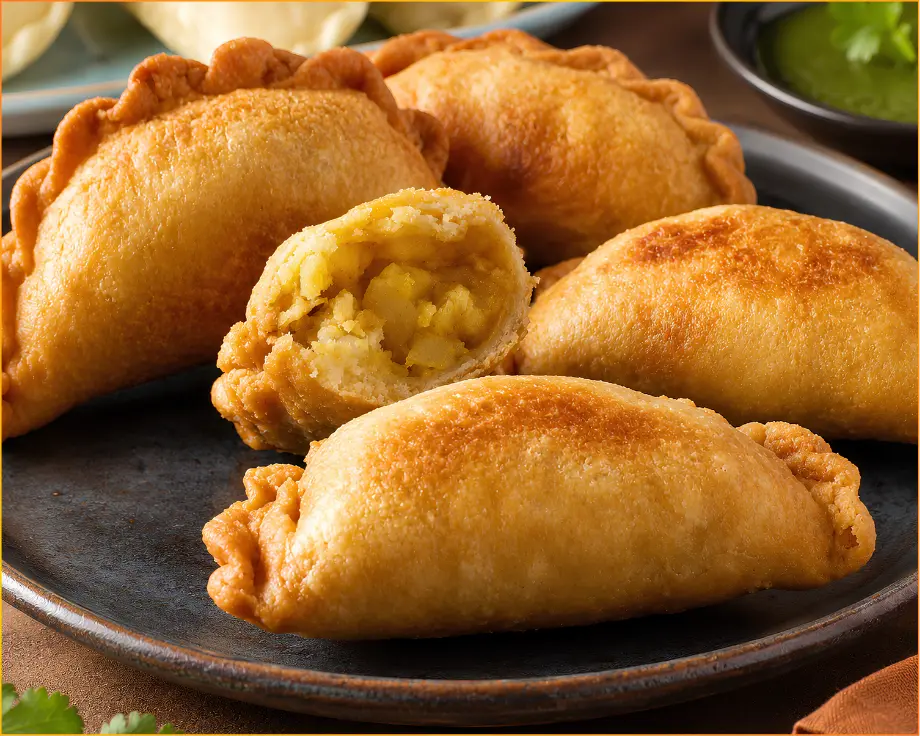 Snack
A flaky golden pastry filled with a savory curry-seasoned mixture, offering a delicious balance of crisp texture and rich flavor.
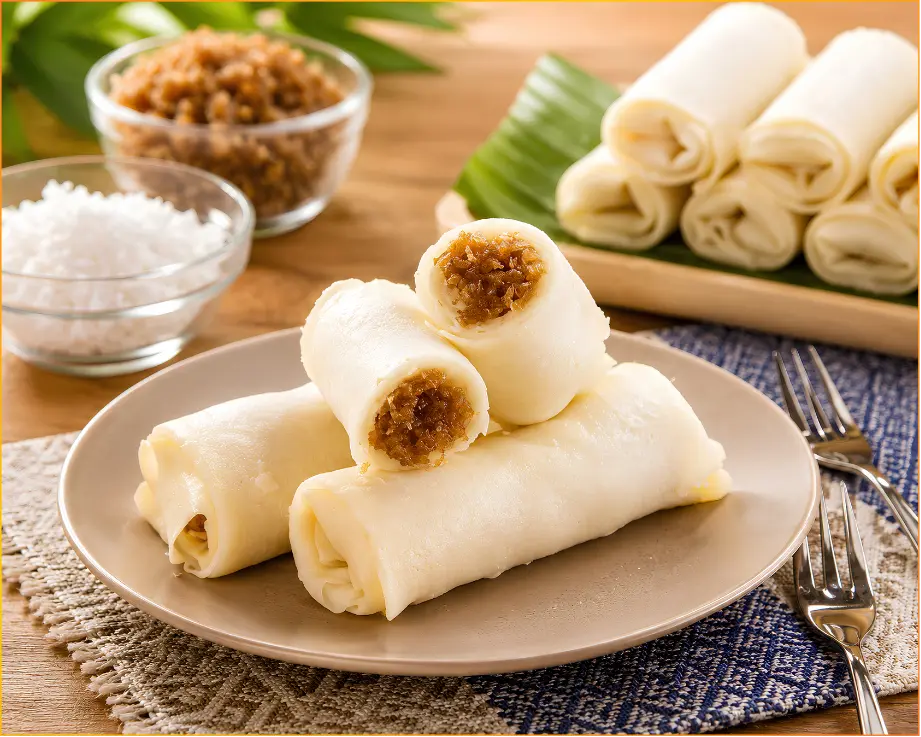 Snack
A traditional Tausug delicacy featuring a thin, soft crepe filled with sweetened coconut, delicately rolled for a light and satisfying treat.
14 dishes across 3 categories
Republic Act 11439 established a legal framework for Islamic banking in the Philippines. Key players and initiatives include:
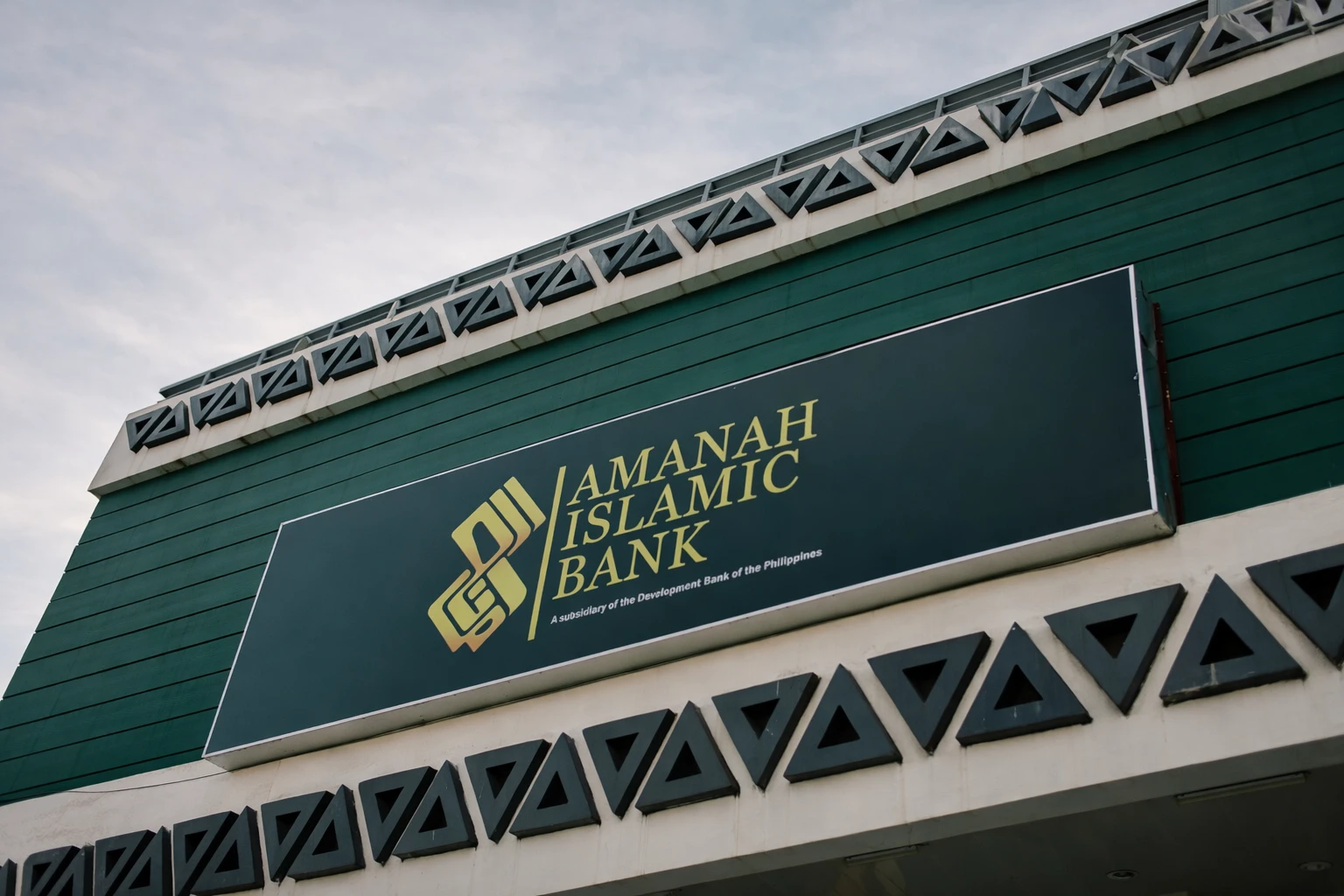
.webp)
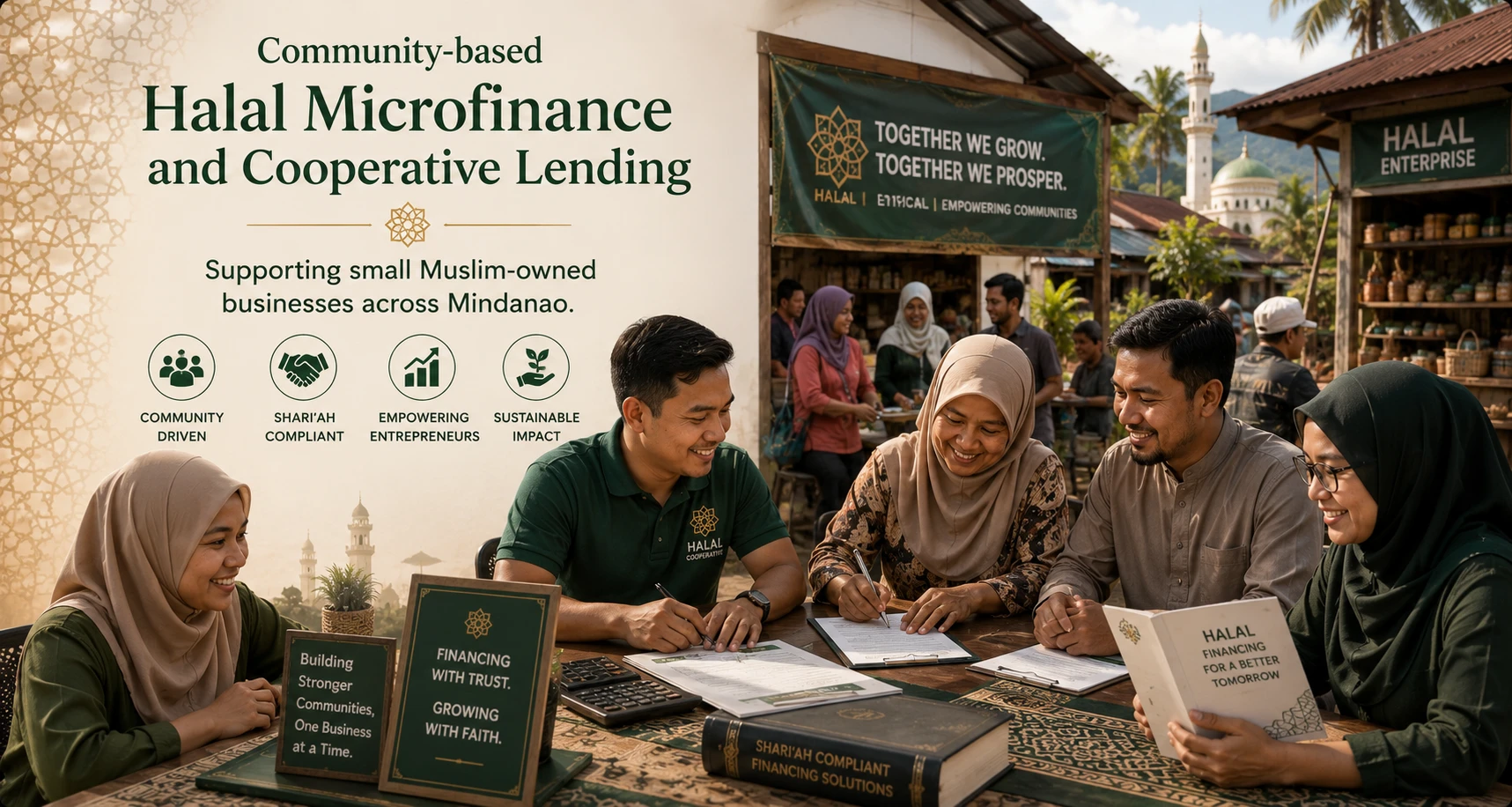
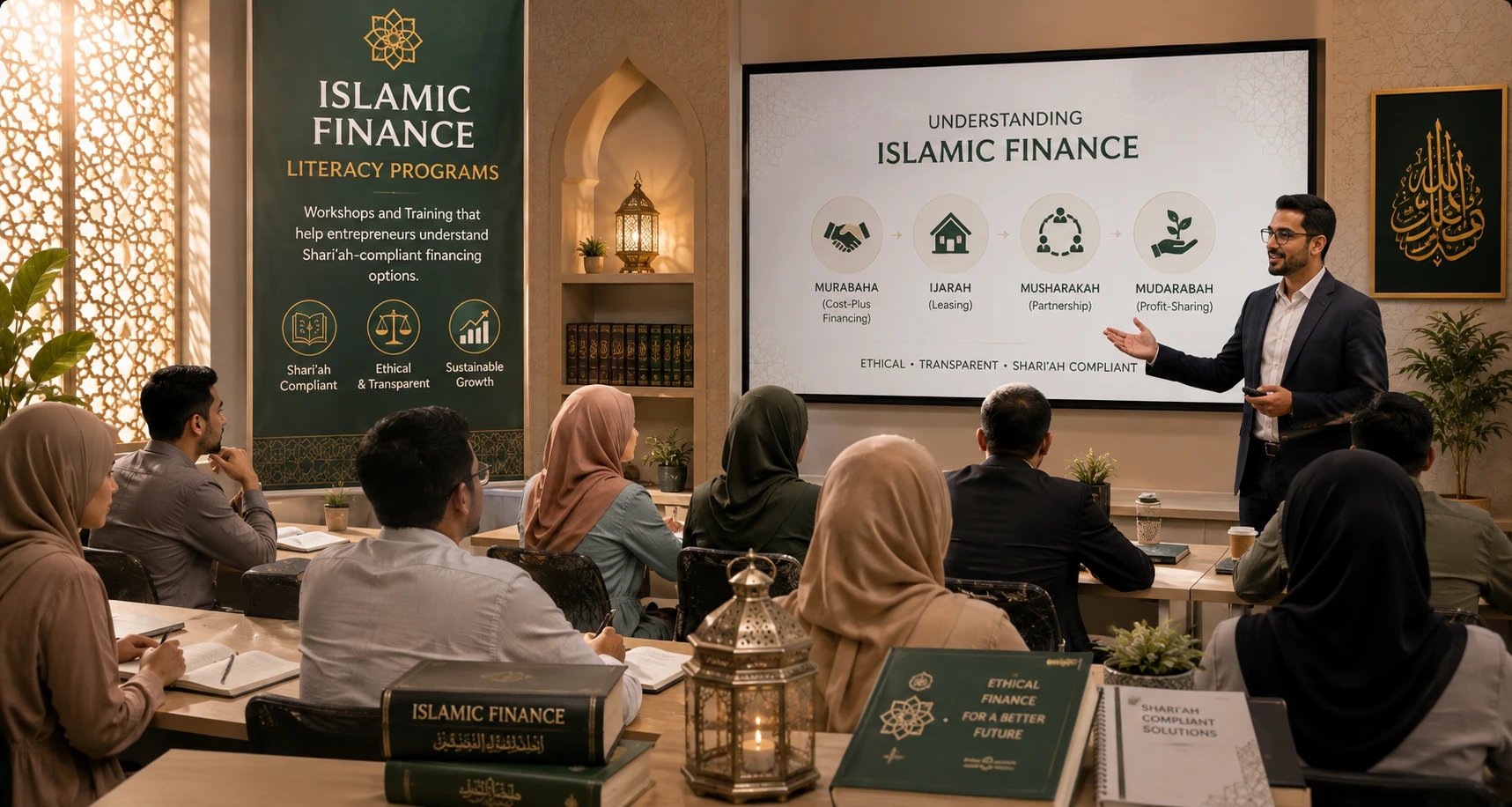
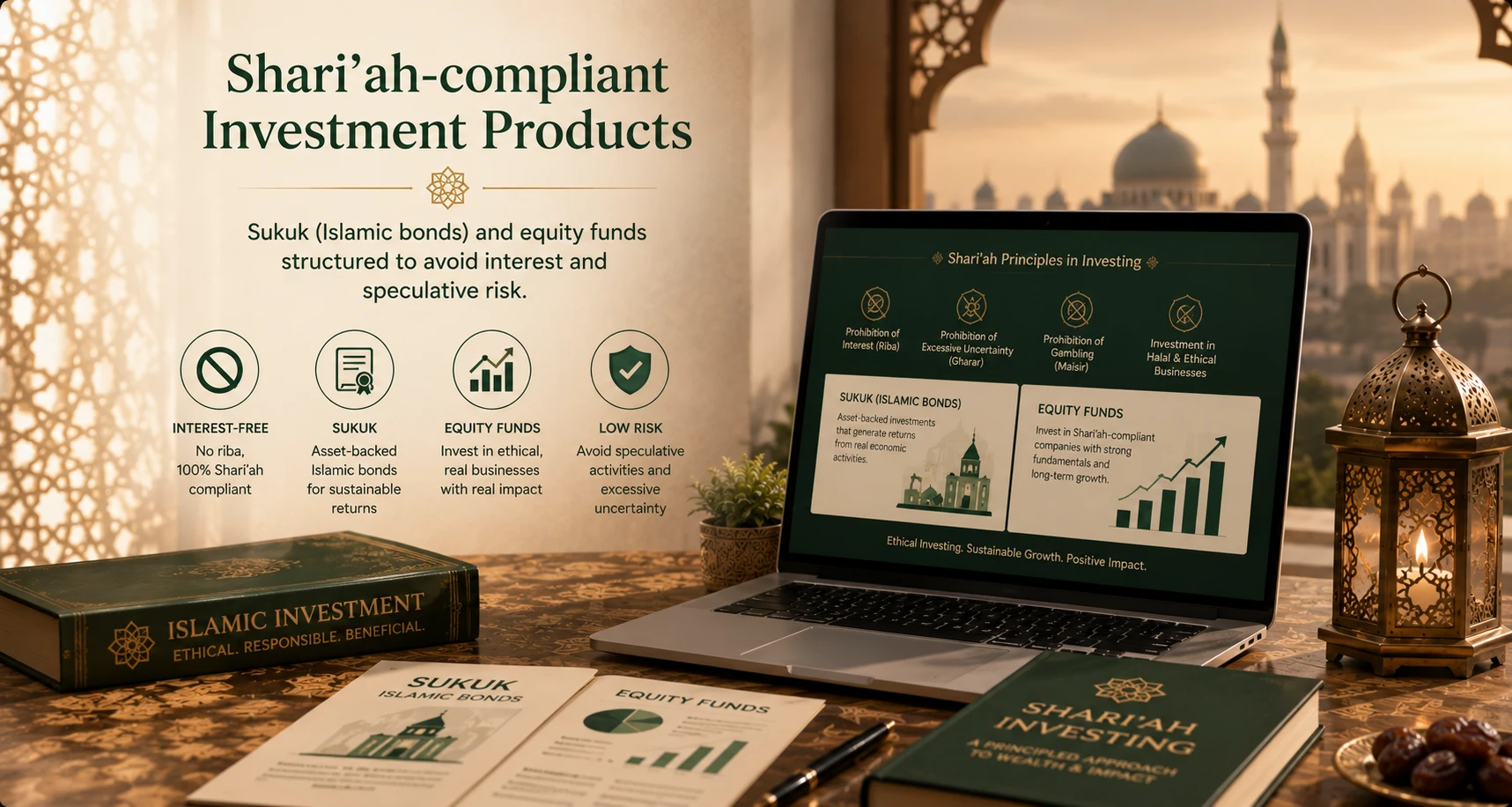
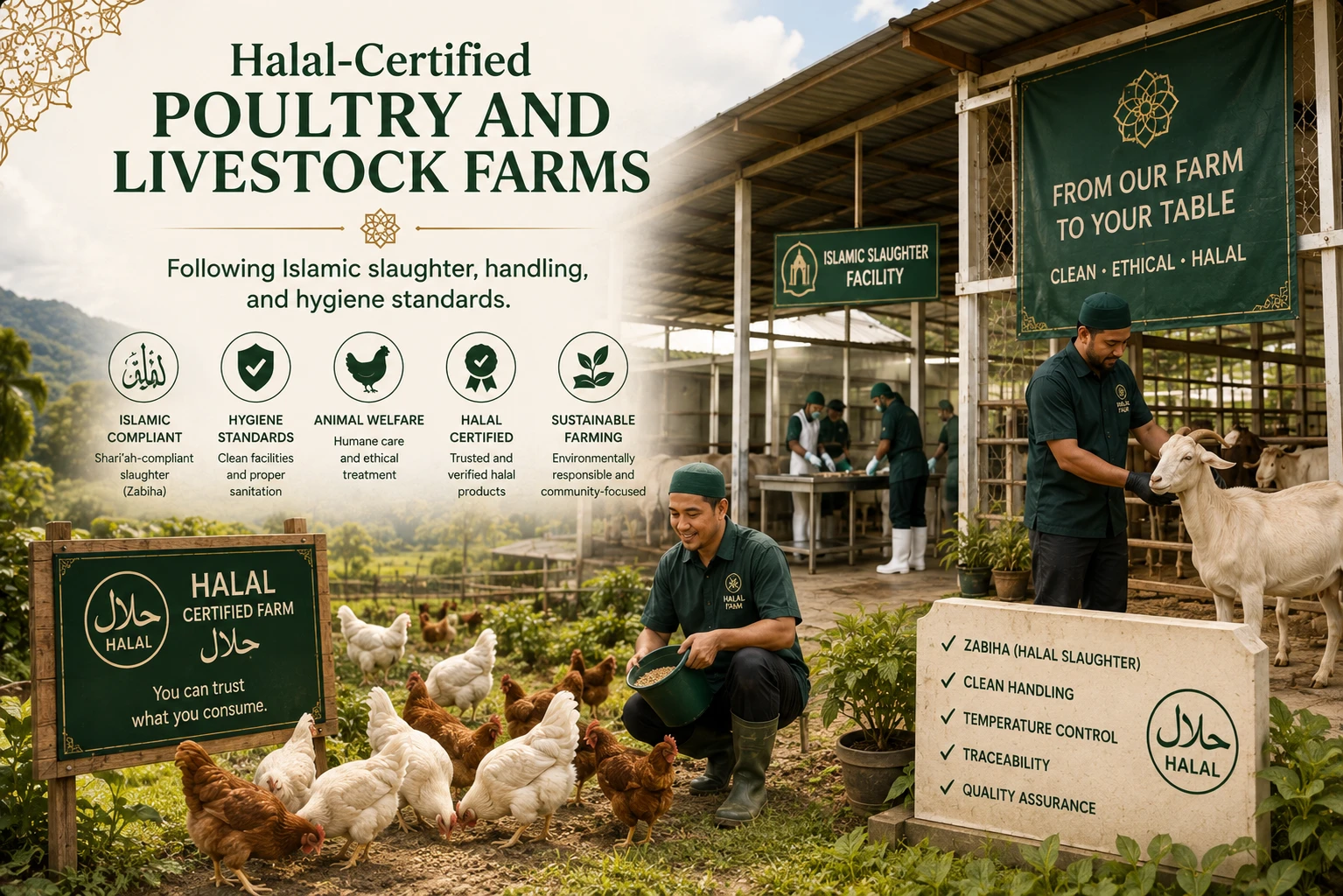
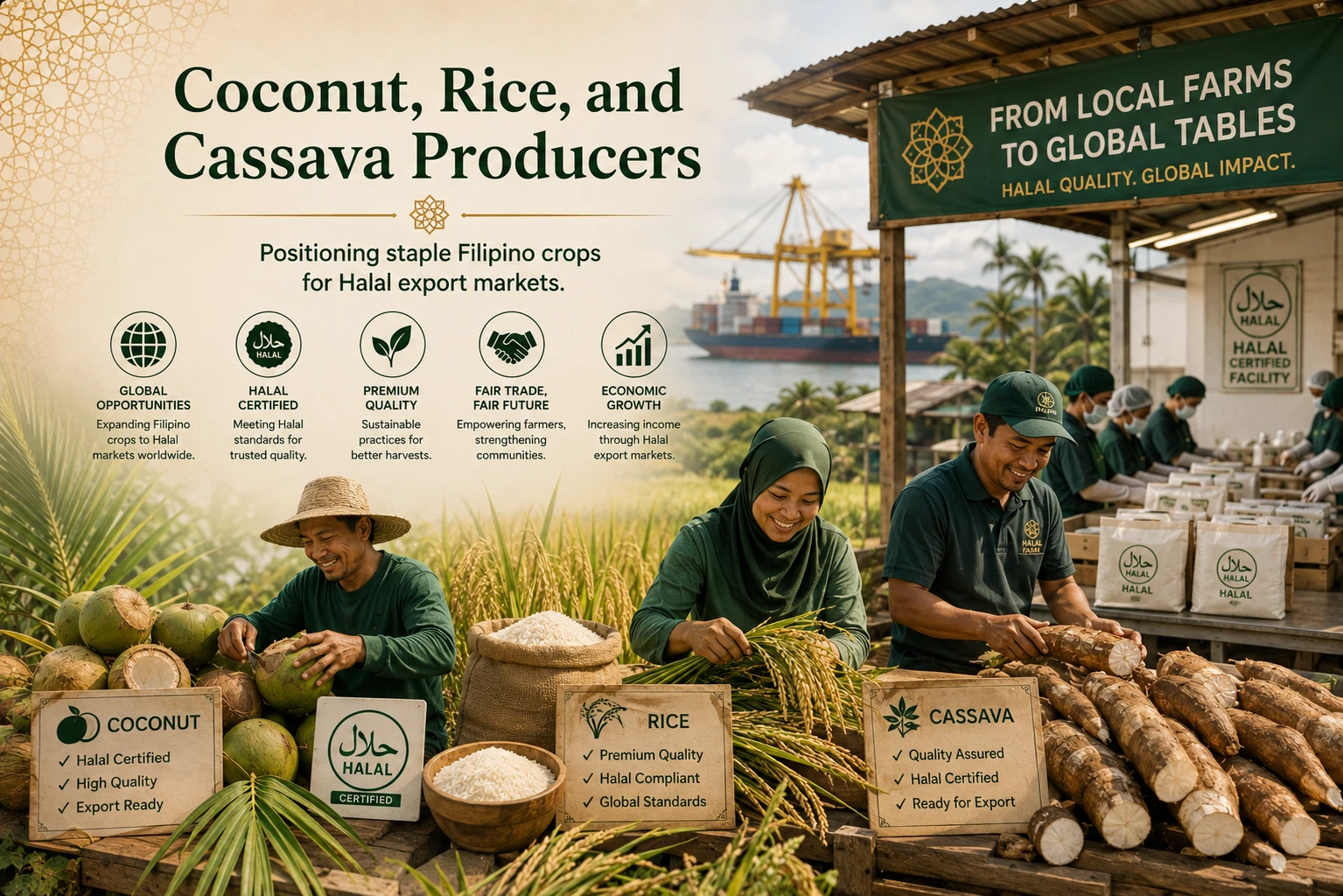
Mindanao's farms and fisheries are increasingly adopting Halal-compliant practices to serve both local and export markets:

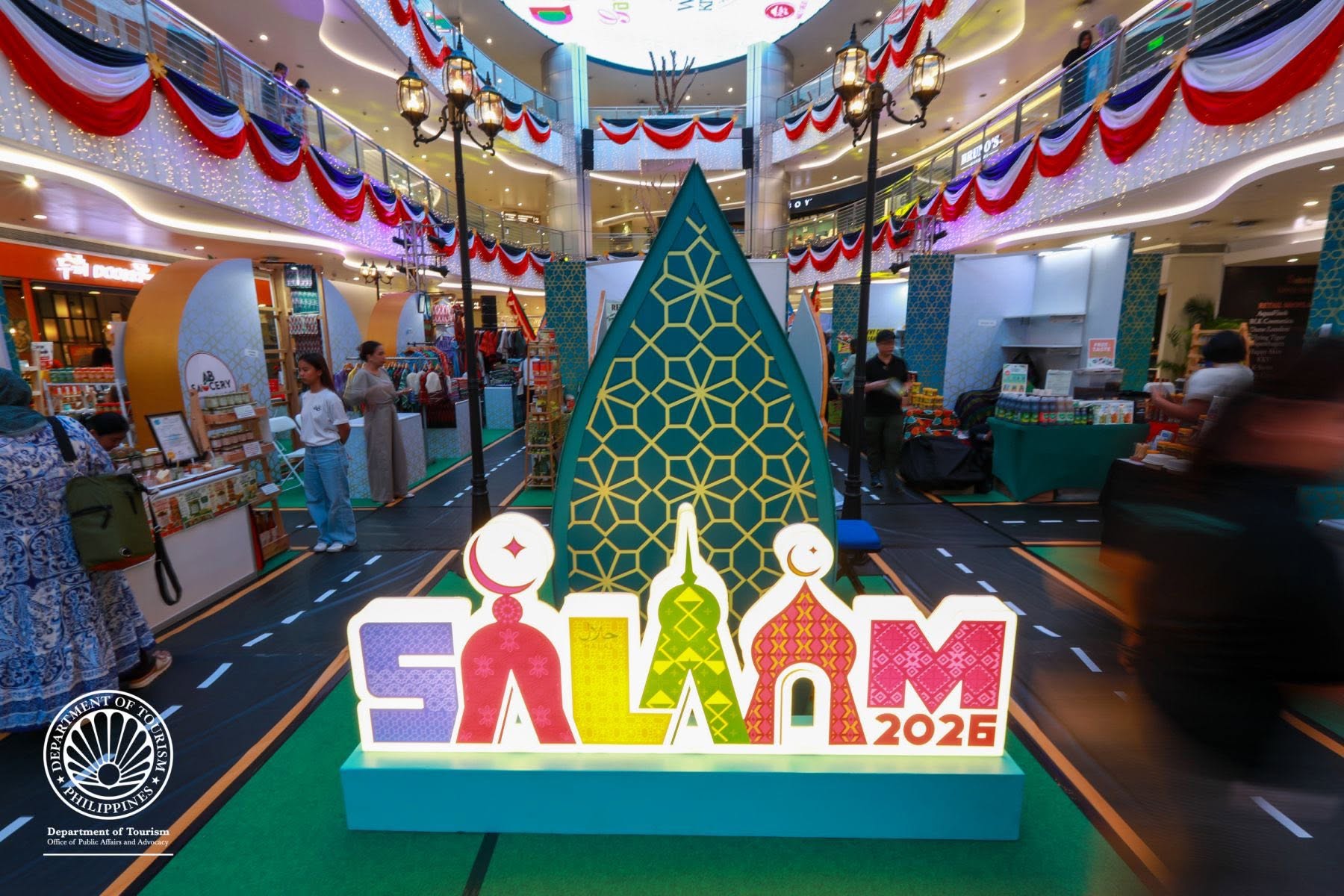
Growing Muslim-friendly travel packages highlight Mindanao's culture, cuisine, and heritage sites:

A national framework coordinated across several government agencies supports Halal industry growth:
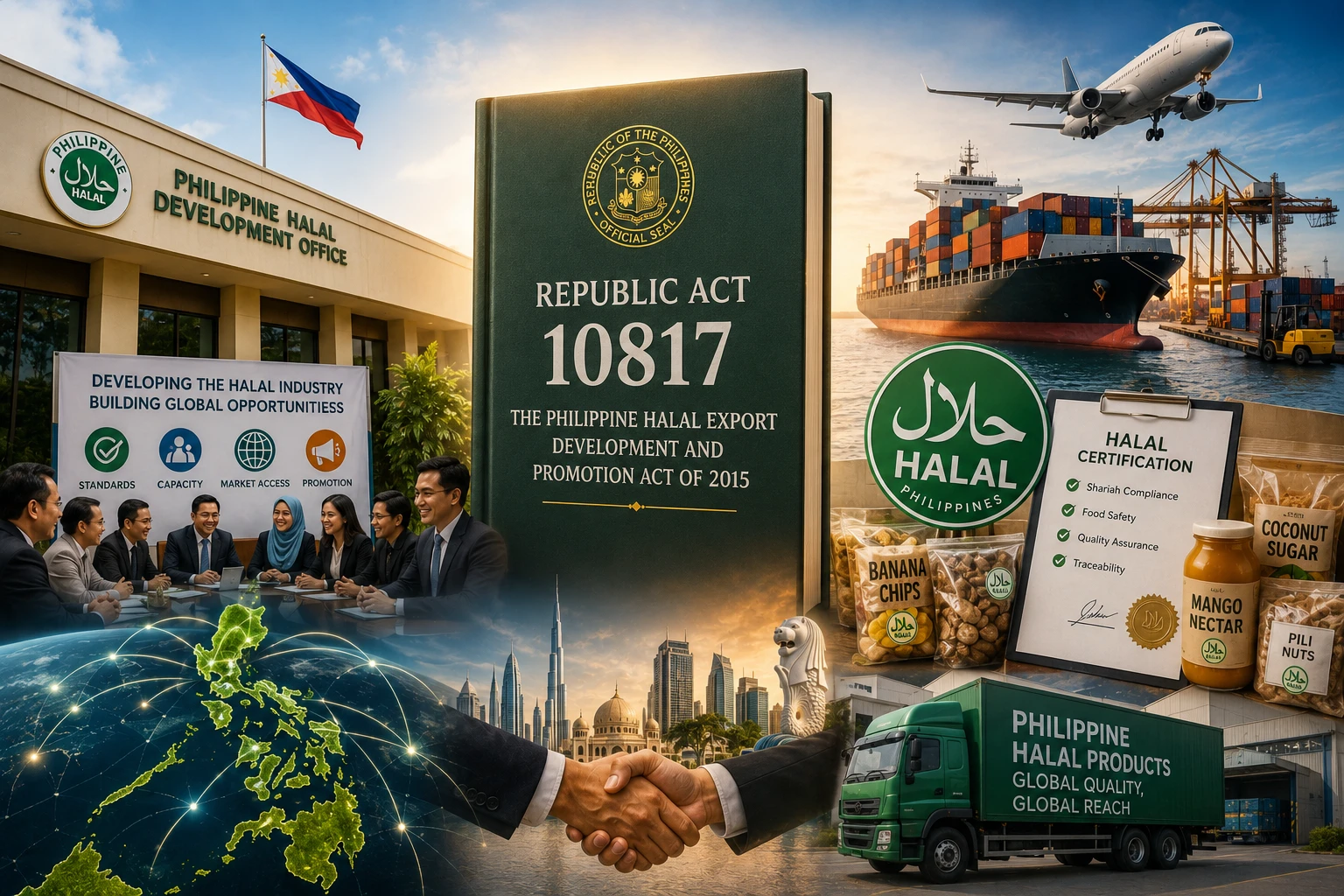



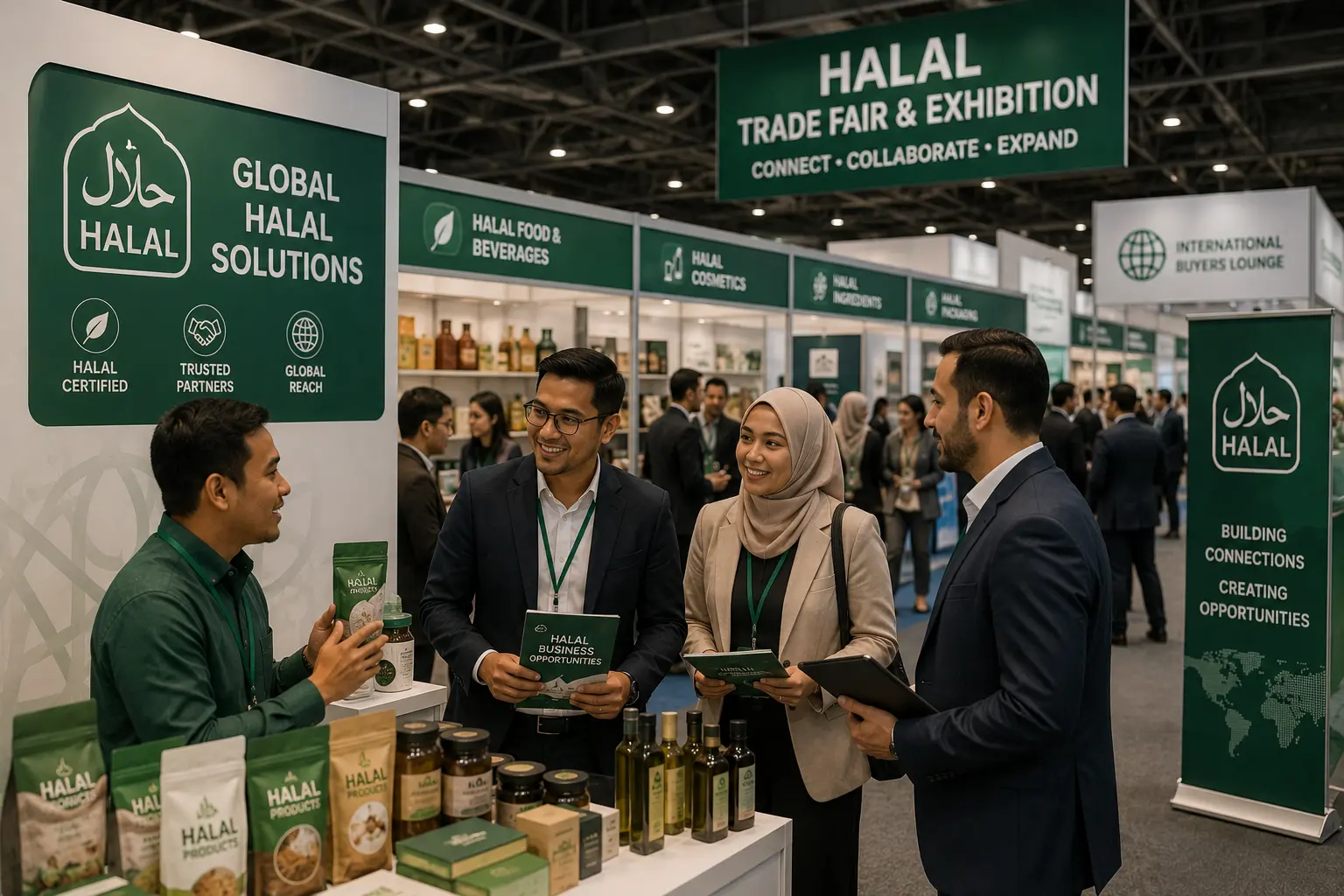
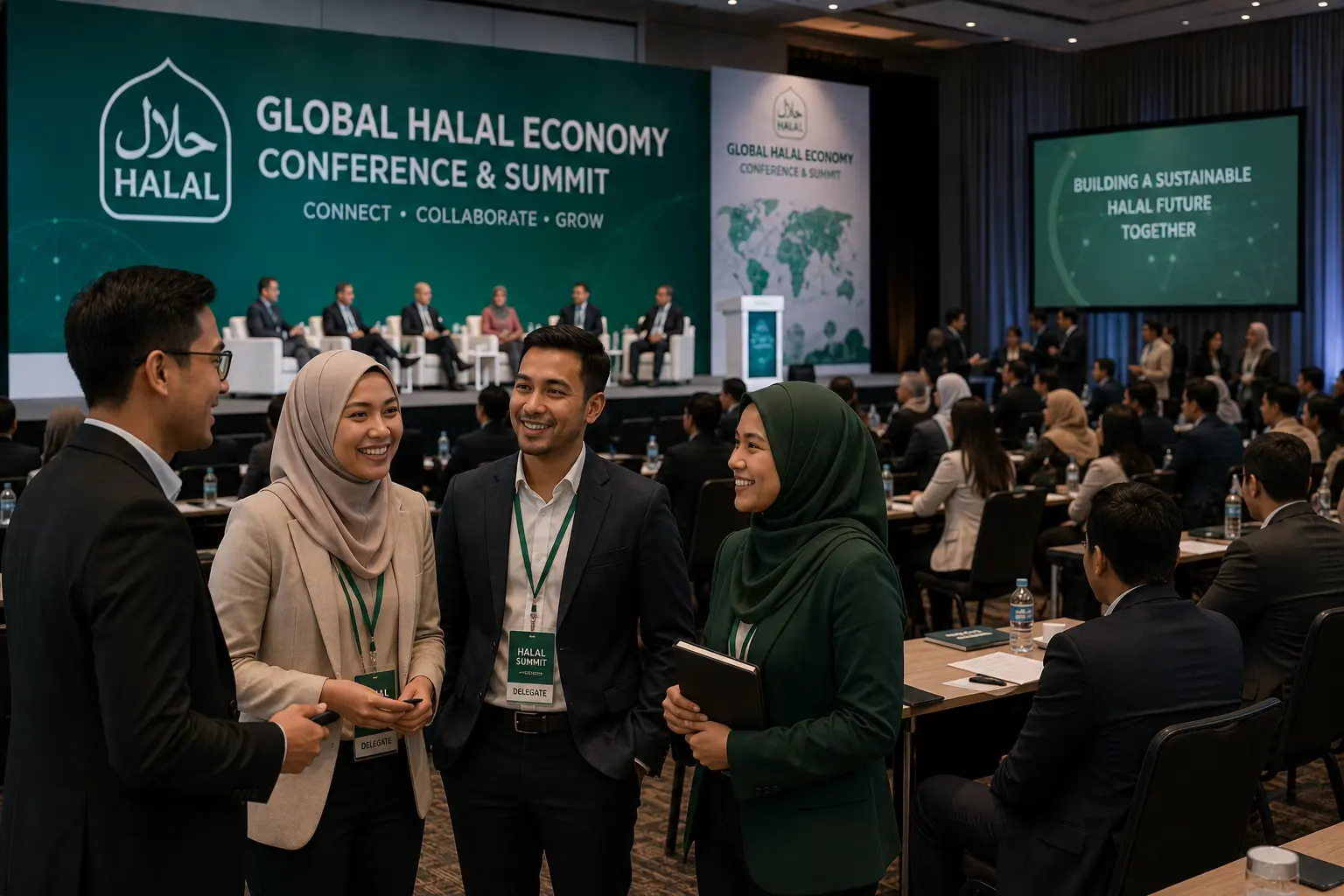
The Philippines is positioning several sectors to reach Halal markets across Southeast Asia and the Middle East:
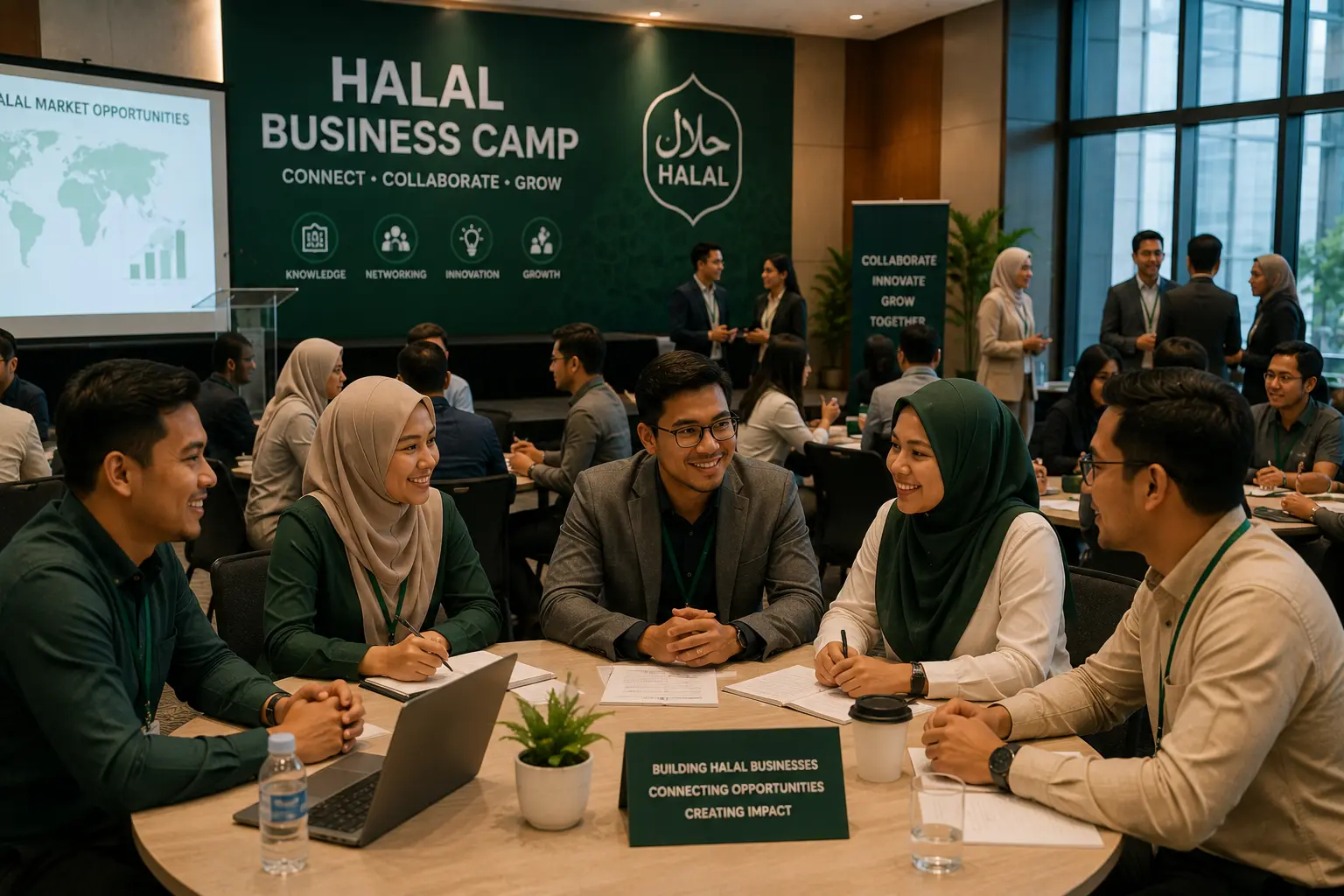
Eight Key Terms
Halal (حلال) is an Arabic word meaning "permissible" or "lawful." It is one word in a small family of terms Islamic scholars use to describe how permissible something is.
حلال
Halal
Literally: "permissible / lawful"
Anything allowed under Islamic law — an action, food, drink, or transaction a Muslim is free to do or use.
Example: Chicken slaughtered according to Islamic guidelines is Halal to eat.
فرض / واجب
Fard / Wajib
Literally: "obligatory"
Something a Muslim is required to do. Neglecting it without a valid excuse is considered sinful.
Example: The five daily prayers (Salah) are Fard.
مستحب
Mustahabb
Literally: "recommended / preferred"
Encouraged and rewarded if done, but not sinful to leave. Sometimes called Mandub or Sunnah.
Example: Voluntary fasting on Mondays and Thursdays is Mustahabb.
مباح
Mubah
Literally: "neutral / permissible"
A free choice — neither rewarded nor punished either way, and not the same as being religiously significant.
Example: Choosing what color shirt to wear is Mubah.
مكروه
Makruh
Literally: "disliked"
Not forbidden, but discouraged. Avoiding it is preferable, though doing it is not sinful.
Example: Excessive, wasteful eating is generally considered Makruh.
حرام
Haram
Literally: "forbidden / unlawful"
The opposite of Halal — clearly prohibited by Islamic teachings.
Example: Pork and alcohol are Haram to consume.
مشبوه
Mashbooh
Literally: "doubtful / unclear"
Neither clearly Halal nor clearly Haram — often because an ingredient or source is unverified. Caution is recommended.
Example: A processed food with an unlabeled "natural flavoring" of unknown origin.
طيب
Tayyib
Literally: "good / wholesome / pure"
A companion concept to Halal — describing food that is clean, healthy, and of good quality, not just technically lawful.
Example: The Qur'an repeatedly pairs the two words together as "Halal and Tayyib."
يَا أَيُّهَا النَّاسُ كُلُوا مِمَّا فِي الْأَرْضِ حَلَالًا طَيِّبًا
Yā ayyuhā an-nāsu kulū mimmā fil-arḍi ḥalālan ṭayyibā
"O mankind, eat from whatever is on earth that is lawful and good, and do not follow the footsteps of Satan. Indeed, he is to you a clear enemy."
This verse addresses all of humanity — not only believers — which is why scholars often cite it as the foundation for Halal being a universal, common-sense ethic of lawful and wholesome living, not an exclusively Muslim rule.
A Full Way of Life
In Islam, Halal is not limited to the dinner table. It is a framework of lawfulness that applies to nearly every area of life — from what a person eats to how they earn money, travel, and treat others.
What may be eaten and how it is prepared
Interest-free, ethical banking and investment
Muslim-friendly destinations and services
Lawful ingredients in treatments where alternatives exist
Personal care products free of prohibited ingredients
Fair dealing, honest contracts, ethical trade
Muslim-friendly hotels, dining, and service standards
Modest clothing choices and lawful materials
Everyday conduct, speech, and dealings with others
Lawful, consensual, and transparent marital contracts
Responsible stewardship of natural resources
Humane treatment of animals in food and daily life
The Reasoning Behind the Practice
For Muslims, keeping to Halal is not primarily about food rules for their own sake. It connects to several deeper motivations:
Following Halal guidelines is an act of worship — submitting to guidance believed to come from God.
Choosing lawful options over convenient ones builds self-control and mindfulness in daily choices.
Consuming what is Tayyib (wholesome) is linked to purity of body and, in Islamic teaching, of one's worship.
Halal rules encode honesty, fairness, and non-exploitation into everyday transactions.
Eating and living within given limits is viewed as a way of appreciating what has been provided.
Many Muslims also see health benefits in Halal dietary guidance, such as hygienic slaughter and blood drainage.
Islamic teaching holds individuals accountable for what they consume and how they earn — Halal is part of that accountability.
A Global, Multi-Sector Economy
No. While food is the most visible Halal sector, the same lawfulness principles are applied across a wide range of industries around the world.
Certified ingredients, slaughter, and processing
Muslim-friendly travel packages and destinations
Hotels and services meeting Muslim traveler needs
Halal-segregated warehousing, shipping, and handling
Modest wear and lawful textile sourcing
Islamic banking, Takaful insurance, and Sukuk bonds
Personal care free of prohibited animal derivatives or alcohol
Halal-conscious treatment options and patient care
Lawful sourcing of capsules, coatings, and excipients
Ethical supply chains and compliant operations
Training programs building Halal industry expertise
Halal-verification apps, blockchain traceability, and platforms
Step by Step
Halal slaughter (often called Zabiha or Dhabihah) follows a specific process designed around humane treatment and cleanliness.
The animal should be treated gently, kept calm, given water, and not shown the blade or made to witness other animals being slaughtered.
The instrument must be extremely sharp to make the cut as quick and painless as possible.
The slaughterer says "Bismillah" ("In the name of Allah") — and often "Allahu Akbar" ("Allah is greatest") — at the moment of slaughter.
The cut severs the windpipe, food pipe, and the two major blood vessels in the neck, causing rapid loss of consciousness.
The animal is left to fully drain of blood before further processing, which is both a religious requirement and a food-safety measure.
Trained Halal auditors or supervisors verify that the process, hygiene, and documentation meet the certifying body's standards.
From this point on, Halal meat is kept physically separate from non-Halal products through packaging, transport, and storage.
A note on scholarly and regulatory differences: practices such as pre-slaughter stunning are handled differently by different national Halal authorities and schools of Islamic jurisprudence. Some certifying bodies permit certain reversible stunning methods under strict conditions; others require unstunned slaughter. Consumers who want certainty on this point should check the specific requirements of the certifying body behind the Halal mark on a given product.
Why It's Worth Understanding
A tangible way to practice obedience, gratitude, and mindfulness in daily choices.
Encourages honesty in trade and discourages exploitation across the supply chain.
Hygienic slaughter and thorough blood drainage support food safety outcomes.
Independent certification gives shoppers a verifiable reason to trust a label.
Audited processes reduce risks from contamination and undocumented ingredients.
Guidelines around calm handling and a swift, precise cut aim to reduce animal suffering.
Access to a large, loyal, and growing global consumer base.
Export opportunities into a trillion-dollar international market.
Islamic teaching frames the earth's resources as a trust, encouraging responsible, non-wasteful use.
Who Verifies the Verifiers?
Accreditation and certification are often confused, but they sit at different levels of the same trust chain. Certification tells a consumer a product is Halal. Accreditation tells everyone that the organization issuing that certificate is itself qualified to make that call.
A formal recognition, from a national or international authority, that a Halal certifying body's auditing methods, staff qualifications, and standards meet a recognized benchmark.
Certification is issued to a business or product. Accreditation is issued to the certifying body that does the issuing — one level up the chain.
Accreditation allows a certifying body's Halal mark to be recognized and trusted across borders, easing export and trade.
Knowing a certifier is independently accredited gives shoppers a documented reason to trust the logo on the package.
Accredited certification is often a prerequisite for entering certain export markets or supplying certain retailers and government contracts.
Accreditation standards typically require traceability at every step, reducing the risk of cross-contamination or fraudulent labeling.
In the Philippines, Horizon connects you to the NCMF recognized Halal Certifying Bodies (HCBs). Tap a card below to see contact details.
Suite 400-410, FUBC Bldg., 413 Escolta St., Binondo, Manila
3F, No. 12 Libyan Street, Salam Compound, Brgy. Culiat, Tandang Sora, Quezon City
Unit 701, Jafer Place, 19 Eisenhower St., Greenhills, San Juan City
3rd Floor, Unit R04, Allegro Center, Chino Roces Avenue Extension, Makati City
37 Arayat Street corner Malabito Street, Kaunlaran, Quezon City, 1100
B23 L5 Zamboanga St., Maharlika Village, Taguig City, 1633
Aguada Barangay, Aguada, 7300
3rd Floor, 86 Bayani Road, Western Bicutan, Taguig City, 1630
BPCC Office, Purok 4-Gumamela, Brgy. Kalasan, Pagadian City
From Ingredient to Shelf
Certification is a documented audit trail. Certifying bodies typically examine every one of the following before issuing or renewing a Halal certificate:
On-site review of facilities and practices
Formal, documented compliance review
Verification of every raw material's source
Process design and cross-contact controls
Labeling accuracy and material safety
Segregated, contamination-free warehousing
Dedicated or properly cleaned logistics
Documentation linking product back to source
Controlled, licensed use of the Halal mark
Ongoing monitoring and complaint handling
A Trillion-Dollar, Multi-Sector Market
The Halal economy is one of the fastest-growing segments of world trade, spanning food, finance, travel, fashion, pharmaceuticals, media, and technology. It is driven by a young, growing global Muslim population of roughly 1.9 billion people, alongside a wider base of non-Muslim consumers drawn to its ethics and quality assurances.
0.4T+
Global Muslim Spend (USD, 2023 est.)
0.9B+
Global Muslim Population
0
Major Sectors Tracked
0%+
Typical Annual Sector Growth
Figures are illustrative rounded estimates. See the sourced growth rate on each sector card below and the citation note at the end of this section.

The largest and most established halal sector, spanning certified manufacturing, retail, and global food-service.
Career Paths
Business Opportunities

The capital engine of the halal economy — Shariah-compliant banking, investment, and insurance.
Career Paths
Business Opportunities

The fastest-growing halal sector — Muslim-friendly hospitality, travel-tech, and certified leisure experiences.
Career Paths
Business Opportunities

The connective backbone of the halal economy, preserving product integrity from production to point of sale.
Career Paths
Business Opportunities

A new wave of digital transformation — AI-powered halal certification, blockchain traceability, and digital sukuk.
Career Paths
Business Opportunities

Rising demand for ethically-sourced, halal-certified pharmaceuticals, vaccines, and wellness products.
Career Paths
Business Opportunities

A growing need for halal-industry education, fueled by a young, fast-expanding global Muslim population.
Career Paths
Business Opportunities

Expanding manufacturing capacity and cross-border trade across OIC markets and beyond.
Career Paths
Business Opportunities
$0T
Global Islamic Economy
Muslim spend + Islamic finance assets, 2023 · SGIE 2024/25
0B+
Muslim Consumers Worldwide
~25% of global population · Pew Research Center
0%
Real-Economy Spending Growth
Year-on-year, 2023 · SGIE 2024/25
0
Countries Ranked Globally
Global Islamic Economy Indicator · SGIE 2024/25
Data sources: State of the Global Islamic Economy Report 2024/25 (DinarStandard, in partnership with Salaam Gateway) · Pew Research Center · International Trade Centre (ITC) & Organisation of Islamic Cooperation (OIC) trade data. All figures reflect the most recently published editions of these sources at the time of writing and are estimates, not guarantees of future performance.
Primary Sources
The Qur'an verses and Hadith Islamic scholars cite most often when explaining Halal, presented with Arabic, transliteration where relevant, and translation.
يَا أَيُّهَا النَّاسُ كُلُوا مِمَّا فِي الْأَرْضِ حَلَالًا طَيِّبًا
Yā ayyuhā an-nāsu kulū mimmā fil-arḍi ḥalālan ṭayyibā
"O mankind, eat from whatever is on earth that is lawful and good, and do not follow the footsteps of Satan. Indeed, he is to you a clear enemy."
Addressed to "mankind" broadly, not only believers — the foundational verse for Halal and Tayyib as universal principles.
يَا أَيُّهَا الَّذِينَ آمَنُوا كُلُوا مِن طَيِّبَاتِ مَا رَزَقْنَاكُمْ وَاشْكُرُوا لِلَّهِ إِن كُنتُمْ إِيَّاهُ تَعْبُدُونَ
Yā ayyuhal-lażīna āmanū kulū min ṭayyibāti mā razaqnākum wash-kurū lillāhi in kuntum iyyāhu ta'budūn
"O you who have believed, eat from the good things which We have provided for you and be grateful to Allah if it is [indeed] Him that you worship."
Frames eating what is lawful and good as an act connected to gratitude and worship.
إِنَّمَا حَرَّمَ عَلَيْكُمُ الْمَيْتَةَ وَالدَّمَ وَلَحْمَ الْخِنزِيرِ وَمَا أُهِلَّ بِهِ لِغَيْرِ اللَّهِ فَمَنِ اضْطُرَّ غَيْرَ بَاغٍ وَلَا عَادٍ فَلَا إِثْمَ عَلَيْهِ إِنَّ اللَّهَ غَفُورٌ رَحِيمٌ
Innamā ḥarrama 'alaykumul-maytata wad-dama wa laḥmal-khinzīri wa mā uhilla bihī lighayrillāh; fa manidṭurra ghayra bāghin wa lā 'ādin falā ithma 'alayh; innallāha ghafūrur-raḥīm
"He has only forbidden to you dead animals, blood, the flesh of swine, and that which has been dedicated to other than Allah. But whoever is forced [by necessity], neither desiring [it] nor transgressing [its limit], there is no sin upon him. Indeed, Allah is Forgiving and Merciful."
States the core food prohibitions, and immediately builds in an exception for genuine necessity.
حُرِّمَتْ عَلَيْكُمُ الْمَيْتَةُ وَالدَّمُ وَلَحْمُ الْخِنزِيرِ وَمَا أُهِلَّ لِغَيْرِ اللَّهِ بِهِ...
Ḥurrimat 'alaykumul-maytatu wad-damu wa laḥmul-khinzīri wa mā uhilla lighayrillāhi bih…
"Prohibited to you are dead animals, blood, the flesh of swine, and that which has been dedicated to other than Allah…" (verse continues, listing additional prohibited categories)
The most comprehensive list of prohibited foods in the Qur'an, revealed toward the end of the Prophet's ﷺ mission.
وَكُلُوا مِمَّا رَزَقَكُمُ اللَّهُ حَلَالًا طَيِّبًا وَاتَّقُوا اللَّهَ الَّذِي أَنتُم بِهِ مُؤْمِنُونَ
Wa kulū mimmā razaqakumullāhu ḥalālan ṭayyibā, wattaqullāha allażī antum bihī mu'minūn
"And eat of what Allah has provided for you [which is] lawful and good. And fear Allah, in whom you are believers."
Pairs the instruction to eat what is Halal and Tayyib with God-consciousness (Taqwa).
فَكُلُوا مِمَّا ذُكِرَ اسْمُ اللَّهِ عَلَيْهِ إِن كُنتُم بِآيَاتِهِ مُؤْمِنِينَ
Fakulū mimmā żukira ismullāhi 'alayhi in kuntum bi-āyātihī mu'minīn
"So eat of that [meat] upon which the name of Allah has been mentioned, if you are believers in His verses."
Directly connects the invocation of Allah's name at slaughter to a meat's lawfulness.
وَمَا لَكُمْ أَلَّا تَأْكُلُوا مِمَّا ذُكِرَ اسْمُ اللَّهِ عَلَيْهِ وَقَدْ فَصَّلَ لَكُم مَّا حَرَّمَ عَلَيْكُمْ إِلَّا مَا اضْطُرِرْتُمْ إِلَيْهِ
Wa mā lakum allā ta'kulū mimmā żukira ismullāhi 'alayhi wa qad faṣṣala lakum mā ḥarrama 'alaykum illā mad-ṭurirtum ilayh
"And why should you not eat of that upon which the name of Allah has been mentioned while He has explained in detail to you what He has forbidden you, excepting that to which you are compelled."
Emphasizes that the prohibitions were explained "in detail" — Halal is meant to be knowable, not arbitrary.
فَكُلُوا مِمَّا رَزَقَكُمُ اللَّهُ حَلَالًا طَيِّبًا وَاشْكُرُوا نِعْمَتَ اللَّهِ إِن كُنتُمْ إِيَّاهُ تَعْبُدُونَ
Fakulū mimmā razaqakumullāhu ḥalālan ṭayyibā, wash-kurū ni'matallāhi in kuntum iyyāhu ta'budūn
"Then eat of what Allah has provided you [which is] lawful and good. And be grateful for the favor of Allah, if it is [indeed] Him that you worship."
Echoes 2:168 near the end of Surah An-Nahl, reinforcing Halal and Tayyib as a recurring Qur'anic theme.
الْحَلَالُ بَيِّنٌ وَالْحَرَامُ بَيِّنٌ وَبَيْنَهُمَا أُمُورٌ مُشْتَبِهَاتٌ لَا يَعْلَمُهُنَّ كَثِيرٌ مِنَ النَّاسِ
"The lawful is clear and the unlawful is clear, and between the two are doubtful matters about which many people do not know…"
One of the most frequently cited hadith in Islamic law, forming the conceptual basis for the Halal / Haram / Mashbooh distinction described in the Key Terms section above.
إِنَّ اللَّهَ طَيِّبٌ لَا يَقْبَلُ إِلَّا طَيِّبًا
"Indeed, Allah is Tayyib (pure and good) and accepts only that which is Tayyib." (Hadith continues, describing a traveler whose food, drink, and clothing are unlawful, and asking how such a person's prayer could be accepted.)
Links lawful, wholesome (Tayyib) earning and consumption directly to the acceptance of a person's worship.
إِنَّ اللَّهَ كَتَبَ الْإِحْسَانَ عَلَى كُلِّ شَيْءٍ فَإِذَا قَتَلْتُمْ فَأَحْسِنُوا الْقِتْلَةَ وَإِذَا ذَبَحْتُمْ فَأَحْسِنُوا الذَّبْحَ وَلْيُحِدَّ أَحَدُكُمْ شَفْرَتَهُ فَلْيُرِحْ ذَبِيحَتَهُ
"Allah has decreed excellence (ihsan) in all things. So if you kill, kill well; and if you slaughter, slaughter well. Let one of you sharpen his blade and spare suffering to the animal he slaughters."
The primary textual basis for the animal-welfare requirements described in the "How Halal Meat is Prepared" section above.
الطُّهُورُ شَطْرُ الْإِيمَانِ
"Cleanliness is half of faith." (Hadith continues, describing further acts of remembrance and gratitude.)
Cited alongside Tayyib to explain why hygiene and cleanliness sit so close to the Halal framework, not as an afterthought but as a core value.
Quick Reference
Accreditation
Formal recognition that a Halal certifying body's methods and standards meet a national or international benchmark.
Bismillah
"In the name of Allah" — said before eating, slaughtering, and starting many daily actions.
Certification
A formal, audited verification that a specific product, facility, or business complies with Halal standards.
Fatwa
A formal, non-binding religious opinion or ruling issued by a qualified Islamic scholar.
Fiqh
Islamic jurisprudence — the human scholarly effort to understand and apply Islamic law.
Halal
Arabic for "permissible" or "lawful" under Islamic teaching.
Haram
Arabic for "forbidden" or "unlawful" under Islamic teaching.
Ijma'
Scholarly consensus — agreement among qualified Islamic jurists on a point of law.
Makruh
Disliked or discouraged, but not sinful to do.
Mashbooh
Doubtful or unclear in status — neither clearly Halal nor clearly Haram.
Mufti
A scholar qualified to issue a Fatwa.
Qiyas
Analogical reasoning — applying a known ruling to a new, similar situation.
Shariah
The overall body of Islamic law and guidance derived from the Qur'an and Sunnah.
Tayyib
Good, wholesome, and pure — a companion concept to Halal, often paired with it in the Qur'an.
Zabiha / Dhabihah
The Islamic method of slaughter required for meat to be considered Halal.
Setting the Record Straight
Respectful, factual corrections to some of the most common misunderstandings.
✕ Myth
"Halal food is only for Muslims."
Anyone can eat Halal food. Many non-Muslims choose it for its traceability, hygiene standards, and animal-welfare requirements.
✕ Myth
"Halal is just a type of food."
Halal is a permissibility standard, not a cuisine. Any dish — Filipino, Italian, Japanese — can be prepared Halal if its ingredients and process comply.
✕ Myth
"Halal food tastes different."
Halal certification concerns ingredients and process, not flavor. A Halal-certified burger tastes like a burger.
✕ Myth
"Halal slaughter is cruel."
Islamic guidelines require a sharp blade, a swift cut, and calm handling specifically to minimize suffering. Views differ on stunning, but the underlying intent is humane treatment.
✕ Myth
"Halal is only about religion, with no practical relevance."
Halal standards overlap with food safety, supply-chain transparency, and ethical sourcing — areas businesses and regulators care about regardless of faith.
✕ Myth
"Halal certification is unnecessary — you can just ask what's in the food."
Modern supply chains involve dozens of suppliers and hidden ingredients (like gelatin or flavorings). Certification provides independent, documented verification that self-reporting cannot.
Your Questions, Answered
Short, beginner-friendly answers grouped by topic. Tap a question to expand it.
Go Deeper
The categories of sources used to prepare this page.